
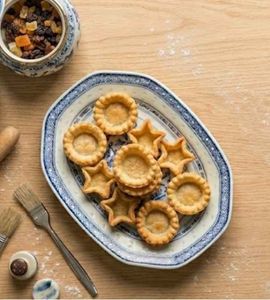
Crispy and Sturdy Pie Crust Recipe
Pie crust is the foundation of every great pie, and it rarely gets the credit it deserves. A proper crust should shatter slightly at the first bite, hold its shape without buckling under the weight of the filling, and carry a subtle buttery flavor that sets it apart from anything store-bought.This recipe uses egg yolk powder in place of conventional egg yolks, which keeps the fat content and color consistent across every batch. The result is an evenly golden crust, a tender yet structured crumb, and a dough that is easy to press into shape, without worrying about egg quality varying between uses.
Ingredients
Method
- Dissolve the Egg Yolk Powder: Combine 14 g of egg yolk powder with 18 ml of cold water. Stir until fully dissolved with no lumps remaining. This mixture replaces conventional egg yolks and should be set aside until needed in the next step.
- Mix the Dry Ingredients: In a large bowl, combine the flour, powdered sugar, milk powder, and salt. Stir until evenly distributed.
- Work in the Cold Butter: Add the cold cubed unsalted butter into the flour mixture. Rub the butter in using your fingertips until the mixture resembles coarse, sandy crumbles. The butter must remain cold throughout this process, as that is what creates the flaky, crisp layers in the finished crust. If the butter begins to soften from the heat of your hands, refrigerate the bowl for a few minutes before continuing.
- Add the Egg Yolk Powder Mixture: Pour the dissolved egg yolk powder mixture into the flour-butter crumble. Mix and press gently until the dough just comes together into a mass. Avoid over-kneading, as excessive gluten development will make the crust tough and dense rather than tender.
- Press into Molds: Prepare mini pie molds. No greasing is required. Take a portion of dough (approximately 30–35 g per mold) and press it evenly against the walls and base to form a shell. Prick the base with a fork to prevent the crust from puffing up during baking.
- Chill the Dough: Arrange the filled molds on a baking tray and refrigerate for 10–15 minutes. This step re-hardens the butter before the molds go into the oven, giving the crust a firmer, more stable structure.
- Bake: Preheat the oven to 180°C (350°F). Bake for 18–20 minutes until the edges turn golden. Adjust the timing based on your oven's characteristics.
- Cool and Unmold: Remove from the oven and leave in the molds for 5 minutes before unmolding to prevent cracking. The pie shells are now ready to fill.