
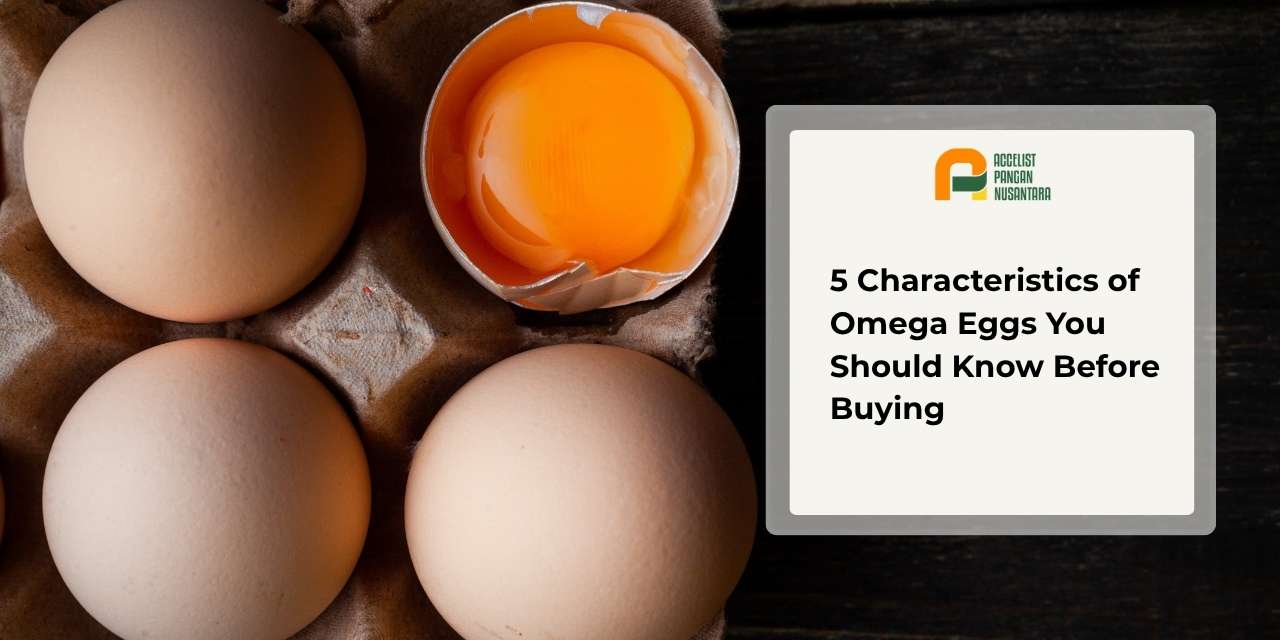
Picture yourself standing in a supermarket aisle, comparing two cartons of eggs that look nearly identical from the outside, one labeled “omega egg” with a price tag that is roughly twice as high. The question is: what actually makes it different inside, and how do you confirm you are making the right choice?
Omega eggs are known to contain significantly more omega-3 fatty acids than regular eggs, sometimes reaching up to five times higher per egg. This difference goes beyond what is printed on the packaging, because there are several characteristics of omega eggs that can be identified directly, from their physical appearance to the information on the label.
Why Do Omega Eggs Look and Feel Different?
The differences visible in omega eggs do not happen by chance. Everything starts with the feed given to the laying hens, which is enriched with natural omega-3 sources such as flaxseed, fish oil, or marine algae.
The nutrients from that feed are absorbed by the hen’s body and transferred directly into the egg yolk, visibly changing the fat profile, color, and texture of the egg. This shift in fatty acid profile is consistent with findings from the National Institutes of Health (NIH), which explains how the DHA and omega-3 content in eggs is directly influenced by the hen’s feed source.
Omega-3 itself is a type of healthy fat the body needs to support heart health, brain function, and the reduction of inflammation. DHA, one of the most active forms of omega-3, plays a particularly important role in brain development and eye health, especially in children and pregnant women
Read More: Omega Eggs: What Actually Happens to Your Body When You Eat Them Regularly
5 Characteristics of Omega Eggs You Can Identify Directly
Not everyone knows that omega eggs carry fairly clear physical markers when observed closely. Below are the most consistent characteristics found in quality omega eggs, both while still in the shell and after being cracked open.
1. The Yolk Is Deep Orange in Color
The most recognizable characteristic of an omega egg is its yolk, which tends to be a deep orange color, sometimes edging toward reddish. This color comes from higher levels of carotenoids and natural pigments, a direct result of the omega-3-rich feed the hens consume consistently.
For example, if you place an omega egg yolk and a regular egg yolk side by side on a plate, the difference is immediately clear: one is a vivid orange, the other a pale yellow. This color intensity is often used as an initial indicator of the egg’s nutritional quality.
2. The Yolk Is Firmer and Does Not Break Easily
The yolk of an omega egg has a noticeably firmer texture and holds a more rounded shape compared to a regular egg. When separated from the white, the yolk does not easily break or collapse, because the betacarotene and healthy fats inside reinforce its membrane structure.
Think about cracking an egg to make a fried egg: an omega egg yolk will sit upright and intact in the center of the pan, while a regular egg yolk tends to spread out more quickly and breaks with the slightest touch. This difference in texture signals that the yolk contains a healthier overall fat profile.
3. The Egg White Is Thick and Does Not Spread Easily
The egg white of an omega egg is generally thicker and wraps more tightly around the yolk compared to that of a regular egg. This condition indicates that the protein in the egg white is still in good condition and that the egg is relatively fresh.
When an omega egg is cracked onto a flat surface, the white will not spread out thinly like water. A watery, widely spread egg white is usually a sign that the egg has lost some freshness or that its protein quality has declined.
4. The Shell Feels Noticeably Thicker and Sturdier
The shell of an omega egg is generally thicker and less prone to cracking when held compared to a regular egg shell. This thickness comes from the hens’ feed, which contains a higher mineral content, allowing the shell formation process to develop more fully.
Try holding one omega egg and compare it to a regular one: more pressure is needed to crack the omega egg shell. A stronger shell also provides added protection against the risk of bacterial contamination from the outside during distribution and handling.
5. The Packaging Label Specifies Omega-3 Content with Exact Figures
A genuinely high-quality omega egg product will state its omega-3 content in detail on the packaging, not just a general claim like “contains omega-3” with no supporting numbers. A good label specifies an exact amount, for instance “contains 300 mg of DHA per egg,” accompanied by a complete nutritional information panel.
If a product only carries a claim without any verifiable figures, that is worth considering carefully before purchasing. Official certification from a recognized laboratory or regulatory body printed on the packaging is also a way to validate the omega-3 claims stated on the label.
What to Consider When Choosing Omega Eggs
Recognizing the physical characteristics of omega eggs is a useful starting point, but having a clearer picture of how omega eggs compare to regular eggs will also help you avoid products that rely solely on label claims. The article on the differences between omega eggs and regular eggs can serve as an additional guide before making your decision.
Pay attention to storage conditions as well: choose eggs with the most recent production date and refrigerate them promptly once you get home. Omega-3 fatty acids are sensitive to oxidation, so proper storage will keep the nutritional content at its best.
Conclusion
The characteristics of omega eggs can be identified through several consistent markers: a deep orange yolk, a firm texture that does not collapse easily, a thick egg white, a stronger and harder shell, and a packaging label that states omega-3 content with specific figures. Understanding these signs matters because it allows you to choose based on actual nutritional value, not just price or branding.
For food industry players looking to utilize the quality of egg yolk at a production scale, Egg Yolk Powder from Accelist Pangan Nusantara offers a practical solution in powder form that is easier to store, measure, and apply across various product lines. It retains the nutritional characteristics of real egg yolks and is suitable for a wide range of industrial needs, from bakery and sauces to other processed food products.
FAQ
Not necessarily, as shell color is mainly determined by the breed of the laying hen; what is more consistent is that the omega egg shell feels noticeably thicker and harder than a regular one.
A deep orange yolk is a strong indicator, but not the only proof; always check the packaging label for specific omega-3 content figures to confirm the claim.
Some can, such as the thicker, harder shell; however, the clearest indicators like yolk color and texture only become visible after the egg is cracked open.
Cooking can reduce a small portion of the omega-3 content, but the reduction is relatively minor when the egg is prepared using moderate-heat methods such as boiling or steaming.
Egg white thickness relates to freshness and protein quality; omega eggs produced by hens fed a high-quality diet generally yield a thicker, more compact albumen.