
Small enough to pop in one bite, yet routinely dismissed as nothing more than a garnish. Quail eggs rarely get the nutritional credit they deserve, and that gap between perception and reality is worth closing.
The question “how much protein do quail eggs actually have?” tends to come up among people tracking daily protein intake or looking for a practical alternative to chicken eggs. The answer is more interesting than most expect.
What Are Quail Eggs?
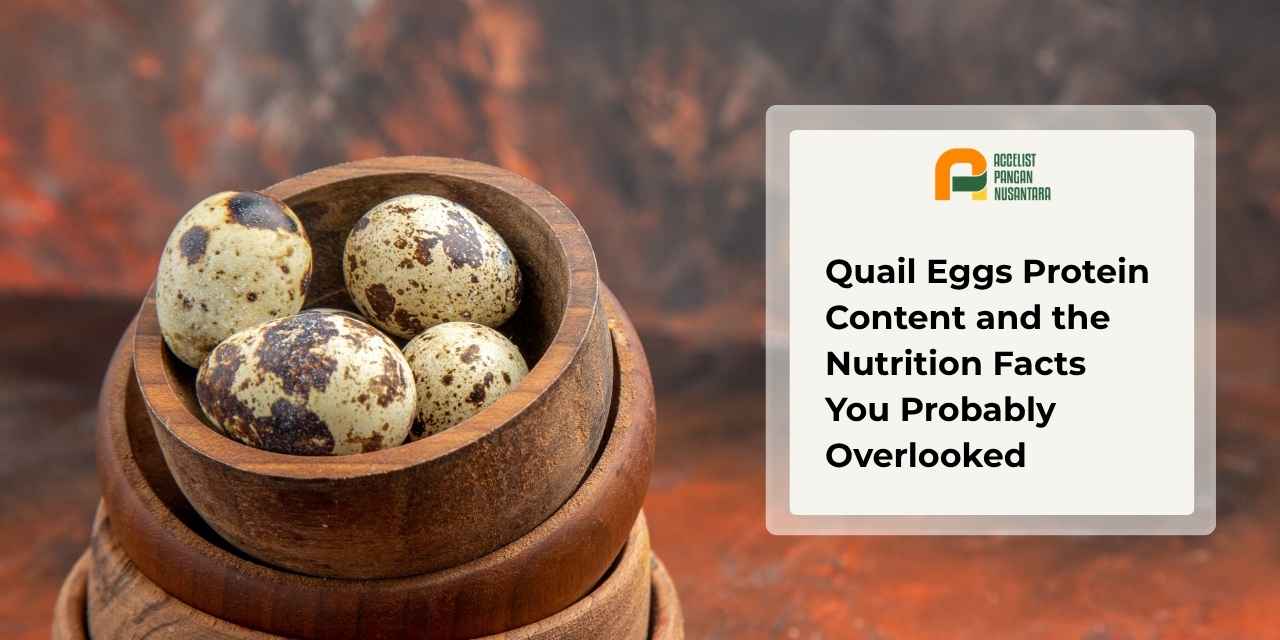
Quail eggs come from the Japanese quail (Coturnix coturnix japonica), a small bird widely farmed across Asia and increasingly popular in other parts of the world. Each egg weighs an average of 11 to 12 grams, roughly a fifth of a standard chicken egg, with a distinctive speckled brown shell that makes them easy to recognize.
In many Asian countries, including Indonesia, they’re a staple in street food: tucked into meatball soup, skewered as snacks, or served alongside rice dishes. Outside Asia, they’ve been gaining ground in health-focused cooking circles, where compact, protein-dense foods are in demand.
How Much Protein Do Quail Eggs Contain?
According to FatSecret Indonesia’s nutritional database, one quail egg contains 1.17 grams of protein at just 14 kcal per egg. That ratio means protein accounts for a notably large share of its total calorie content relative to its size.
Five quail eggs in a single meal deliver roughly 5.85 grams of protein. That’s about half the protein in one large chicken egg, which weighs around five times more.
Scaled up to 100 grams, quail eggs contain approximately 13 grams of protein with a total energy of 158 kcal. Compared to a large chicken egg (about 50 grams, around 6 grams of protein), the protein density per gram is largely the same between the two.
Full Nutritional Content of Quail Eggs
Protein is the obvious headline, but it’s not the whole picture. Several other nutrients in quail eggs make them worth looking at beyond the macros alone.
Here’s a full breakdown of quail egg nutrition per 100 grams, sourced from FatSecret:
| Nutrient | Per 100g |
| Energy | 158 kcal |
| Protein | ~13 g |
| Total Fat | ~11 g |
| Saturated Fat | ~3.6 g |
| Carbohydrates | ~0.4 g |
| Cholesterol | ~844 mg |
| Iron | ~3.7 mg |
| Calcium | ~64 mg |
| Phosphorus | ~226 mg |
| Vitamin A | ~543 IU |
Protein is the standout nutrient here by proportion, but the iron and vitamin A figures are worth noting too. For their size, quail eggs pack a fairly complete micronutrient profile.
Benefits of Protein in Quail Eggs
Protein doesn’t just sit in a nutrition table. It works continuously inside the body, running processes most people never think about until something goes wrong.
1. Muscle Building and Recovery
Protein supplies the amino acids muscles need to repair after physical stress. Eating quail eggs after a workout gives the body a steady source of those building blocks, which supports the recovery process without overloading the digestive system.
Consistency matters more than quantity here. A regular intake of protein-rich foods, quail eggs included, supports gradual muscle adaptation over time rather than producing fast visible changes.
2. Immune System Support
Amino acids from protein are involved in producing antibodies and immune cells. A body with adequate protein intake tends to recover faster from infection and responds more effectively when pathogens enter the system.
For children whose immune systems are still developing, consistent animal protein intake can build a solid nutritional foundation. One to two quail eggs added to a daily meal already contributes meaningfully toward that goal.
3. Appetite Control
Protein is the most satiating macronutrient. It works by suppressing ghrelin (the hunger hormone) and raising levels of satiety hormones like peptide YY, which together reduce the urge to eat between meals.
Including quail eggs at breakfast can help keep hunger in check through the morning. For anyone managing calorie intake over the long term, that effect adds up.
4. Supporting Children’s Growth
Children need proportionally more protein per kilogram of body weight than adults do. Quail eggs are a practical choice here: small portions, easy to digest, and accepted more readily by picky eaters than many other protein sources.
The iron and vitamin A content also support cognitive development and physical growth. A few quail eggs added to a school lunchbox delivers protein alongside micronutrients that matter during the growing years.
How Many Quail Eggs Is Safe Per Day?
Good nutrition rarely means eating as much of a good thing as possible. Quail eggs are no exception, largely because of their cholesterol content.
Their cholesterol level sits at roughly 844 mg per 100 grams, and that figure matters for people managing heart disease, coronary artery disease, atherosclerosis, or elevated stroke risk.
According to The American Heart Association (AHA), as cited by KlikDokter, just 50 grams of quail eggs (about 4 eggs) already contains around 350 mg of cholesterol, exceeding the recommended daily limit of 300 mg. Keeping intake to 1 to 2 eggs per day is a reasonable target for most people.
Worth noting: dietary cholesterol doesn’t automatically translate into elevated blood cholesterol. How the body processes cholesterol from food depends on genetics, overall lifestyle, and the broader dietary pattern around it.
Tips for Getting the Most Out of Quail Eggs
How quail eggs are prepared and combined with other foods affects how much of their nutrition actually gets absorbed. A few practical adjustments make a real difference.
- Cook them fully
Undercooked quail eggs carry a real risk of Salmonella contamination. A properly hard-boiled quail egg, where both the white and yolk are firm throughout, is the safest preparation method, especially for young children, pregnant women, and the elderly. - Pair them with fiber-rich vegetables
Fiber slows fat absorption and extends fullness. Stir-fried green beans with boiled quail eggs or a spinach soup with quail eggs added in are simple combinations that round out the meal nutritionally. - Boil or steam instead of frying
Deep-frying adds saturated fat quickly. Boiling keeps the nutritional profile clean and is more practical for preparing larger batches ahead of time. - Watch total daily cholesterol
If a meal already includes other high-cholesterol foods like organ meats or shellfish, reduce quail egg portions accordingly to stay within a balanced daily intake.
Conclusion
Quail eggs contain roughly 1.17 grams of protein per egg, or about 13 grams per 100 grams, alongside iron, calcium, phosphorus, and vitamin A, making them a genuinely well-rounded source of animal protein in a very small package. Size can be deceiving, and in this case, it usually is.
The one thing to keep in mind is the cholesterol. Based on AHA data, 4 eggs already push past the 300 mg daily limit. One to two eggs per day gets you the nutritional upside without the excess, especially as part of a varied diet.
For those who want the nutritional benefits of eggs in a more convenient, shelf-stable format, egg powder is a practical option worth considering. Accelist Pangan Nusantara supplies a range of quality egg powder products for both household and commercial food industry use. Contact our team for product availability and pricing that fits your needs.
FAQ
Yes, for healthy adults with no history of high cholesterol or heart disease, 1 to 2 quail eggs per day is generally safe when part of a balanced diet.
Not exactly. Per gram, both sit at a similar protein density. Quail eggs offer slightly higher iron and vitamin A proportionally, but neither is a clear winner on protein alone.
They are, provided they’re fully cooked. Raw or undercooked quail eggs carry a Salmonella risk that makes them unsuitable for pregnant women. When cooked through, the protein and iron content can actually support fetal development.
Stored in the refrigerator unwashed and unpeeled, fresh quail eggs typically last 3 to 5 weeks. Washing before storage removes the natural protective coating on the shell and shortens shelf life.