
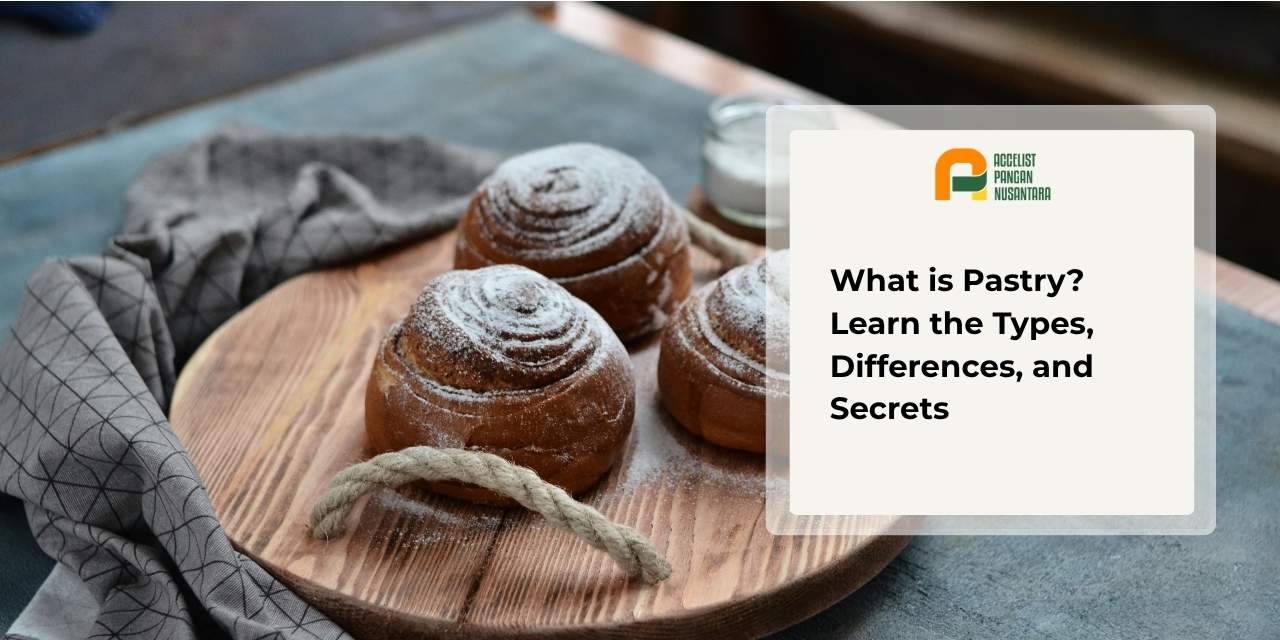
Biting into a croissant that is crispy on the outside but soft on the inside always provides its own satisfaction. However, behind that perfect layering, pastry making harbors a high risk of failure.
Considering the price of raw materials like premium quality butter is quite expensive, just one technical mistake can lead to a hard dough and financial loss.
What is Meant by Pastry?
Many of us equate all baked goods to cakes or bread. In fact, pastry has its own technical definition. Pastry is a baked dough made from a mixture of wheat flour, liquid in the form of water or milk, and a high amount of fat. The high fat content, such as butter or margarine, directly distinguishes pastry from conventional bread and creates a texture that is both crispy and flaky.
The layered or flaky texture in pastry is purely formed by a temperature reaction. When cold dough enters a hot oven, the water inside the butter evaporates quickly. This hot steam pushes the flour layers upward and creates the air pockets clearly visible when you cut a piece of croissant or puff pastry.
This process demands absolute precision. The most common example of failure is allowing butter to melt at room temperature before the dough enters the oven. This condition causes the air pockets to fail to form, resulting in a dense pastry. Keeping raw materials cold and accurately measuring liquid ratios are standard rules in the culinary industry.
The high portion of fat in recipes also forces producers to strictly select raw materials. Using ingredients without trans fats is a primary requirement to maintain the product’s nutritional quality.
The Differences Between Pastry and Bakery
Pastries and bakery items are often in the same display case, but both demand opposing kitchen principles and techniques. Understanding these basic differences determines the specifications of work equipment, the drafting of Standard Operating Procedures (SOPs), up to the calculation of the final product’s nutritional value.
Here is the technical comparison between the two categories:
| Parameter | Pastry | Bakery |
| Leavening Agent | Uses water vapor from solid butter or baking powder, purely without yeast. | Uses gas from the yeast fermentation process. |
| Fat Content | Very high, aimed at separating flour layers to make it crispy. | Tends to be low, its function is merely to soften the dough’s fibers. |
| Preparation Technique | Focuses on consistently folding, rolling, and chilling the dough. | Focuses on kneading to stretch the dough fibers maximally. |
| Final Texture | Layered, flaky, crispy on the outside, and soft on the inside. | Soft, dense, fluffy, and chewy when eaten. |
The technical differences above boil down to the gluten management process. Pastry making focuses heavily on preventing gluten formation. The gluten network makes the dough elastic. This elastic nature is highly needed by bread to hold yeast gas, but it will actually make the pastry texture tough and fail to form layers.
As a substitute for the yeast structure, pastry relies heavily on layers of fat. This massive portion of butter automatically changes the product’s health profile. Producers and consumers must monitor the quality of the fat used.
Referring to the World Health Organization (WHO) guidelines, daily saturated fat intake has a maximum limit to maintain cardiovascular health. Raw material evaluation ensures pastries are delicious, crispy, and safe to consume.
Types of Pastry
The culinary world divides pastry dough based on the fat processing method and the ratio of wet ingredients. Understanding this technical classification helps you determine the right recipes and techniques.
Here are the details of the main types of pastry you need to know.
1. Puff Pastry
Puff pastry is an unleavened dough famous for its layered and very light texture. Its preparation uses the lamination technique, which involves wrapping a solid block of fat (beurrage) inside a basic dough (détrempe), then folding and rolling it multiple times with precision.
When entering an oven at 200 to 220 degrees Celsius, the water in the butter evaporates quickly. This steam gets trapped between the gluten layers and pushes the dough to expand. The result is a highly crispy flaky structure without leavening agents, perfect for zuppa soup, mille-feuille, or vol-au-vent.
2. Choux Pastry (Kue Sus)
Unlike layered dough, choux pastry requires an initial cooking process on the stove. You boil water, butter, and flour until the starch undergoes perfect gelatinization before adding eggs. This process locks moisture inside the dough from the early phase.
This dough does not use artificial leavening agents at all. The high oven temperature boils the remaining water in the dough, producing strong steam that forces the outer crust to puff up sharply. This process leaves an empty cavity in the center, ideal for sweet fillings like vla (custard) or diplomat cream.
3. Shortcrust Pastry
Shortcrust pastry has the opposite texture, being dense, crumbly, and biscuit-like. Its main technique is called rubbing-in. You mix cold fat into the flour using your fingertips or a pastry blender until the texture resembles coarse grains of sand.
This rubbing method aims to coat the flour proteins with fat to inhibit water absorption. Consequently, the formation of gluten strands can be suppressed. This dough will not rise when baked and becomes a solid foundation for pie crusts, savory quiches, or fruit tartlets.
4. Filo Pastry
Filo pastry is an unleavened dough that is rolled into paper-thin sheets. This basic Middle Eastern filo dough contains almost no fat. To create a crispy and layered texture, you must brush melted butter or olive oil onto each sheet before stacking them.
Given its very thin nature, filo sheets are prone to drying out when exposed to open air. You must cover them with a damp cloth during the preparation process in the kitchen. Filo pastry is the main ingredient for crispy dishes like baklava and börek.
5. Viennoiserie
Viennoiserie is a hybrid category that bridges the techniques of pastry and bread making. This dough uses yeast for the biological fermentation process, but also applies the fat lamination technique like in puff pastry.
The making process is highly challenging because you must keep the butter cold so it doesn’t melt, while also ensuring the temperature is warm enough for the yeast to stay alive. This combination of fermentation and butter steam creates a crispy outer texture and a soft inside with a honeycomb crumb. Croissants and danish pastries are the most popular product examples from this category.
Why Must Modern Pastry Use Egg Powder?
In medium to commercial production scales, raw material management determines operational efficiency and the level of food safety in your kitchen.
Replacing fresh shell eggs with the application of egg powder is the right solution to suppress the risk of production failure without sacrificing dough quality.
- Volume Stability and Consistency
Egg powder guarantees that the protein and fat ratio measurements are always precise for every recipe scale. This consistency prevents sensitive doughs like choux pastry from failing to rise due to the fluctuating quality of fresh eggs. - Preparation Time Efficiency (Prep-Time)
The powder format cuts labor costs because staff no longer need to crack shells and separate egg yolks manually. Commercial kitchens can save valuable hours to be redirected to the final finishing process of the dishes. - Food Contamination
The use of powder automatically eliminates dirty shells which are the main breeding ground for pathogenic bacteria like Salmonella. This preventive step is highly recommended by the Centers for Disease Control and Prevention (CDC) to break the chain of food poisoning outbreaks. - Space Optimization and Shelf Life
Powdered ingredients have a long expiration period at room temperature, thus freeing your kitchen’s cooling capacity load from stacks of egg cartons. This dry format has also proven to be much more space-saving and thermally stable compared to liquid pasteurized egg products.
The transition to egg powder directly reduces the dough failure rate caused by unstable fresh raw materials. Exact measurements keep the pastry texture crispy and consistent, whether you bake it in a home oven or mass-produce it for store displays.
Conclusion
Pastry is a culinary product that demands harmony between flour, fat, and precise processing techniques. Unlike bread which relies on yeast and a gluten network, pastry’s strength lies purely in folding techniques, temperature control, and the formation of air pockets. Understanding the character of each dough, from layered puff to hollow choux, directly helps you determine the best production standards in both commercial and home kitchens.
Today, maintaining food safety and reducing preparation time are the main priorities of culinary business operations. Using fresh shell eggs for medium to large-scale production often triggers the risk of bacterial contamination and unstable recipe measurements. Switching to modern raw materials that are hygienic and have a long shelf life is a strategic step to prevent financial losses due to failed doughs.
For those of you managing a pastry production line and HORECA kitchens, operational efficiency is everything. Our egg powder products are practical and can be applied directly without the hassle because staff no longer need to waste time cracking shells.
You also get an absolute food safety guarantee. For example, our Egg Yolk Powder variant is guaranteed free of Salmonella bacteria. This variant provides a rich natural savory flavor, highly suitable to be applied for pastry cream (vla) fillings or final glaze (egg wash) on croissants.
For making doughs that need a sturdy structure like macarons or meringues, our Egg White Powder is highly ideal because it produces maximum expansion volume.
The use of these precise powder measurements guarantees the consistency of taste and texture of your final product, making it the safest choice to lock moisture into sensitive doughs like choux pastry.
FAQ
Pastry is a baked dough made from a mixture of wheat flour, water, and a high amount of fat to produce a crispy, layered, or flaky texture.
A croissant falls into the viennoiserie category, which is a pastry-derived product that uses a fat lamination technique but is leavened with yeast like bakery products.
Cold temperatures are highly necessary to prevent the butter inside the dough from melting before it enters the oven, so the dough layers can form perfectly when baked.
Consuming pastry every day is not recommended because it generally contains high calories and saturated fats, so it must be balanced with other healthy nutritional intakes.
Raw pastry dough can usually last around 2 to 3 days if stored tightly in a chiller, or it can reach a full 1 month if frozen in the freezer.