
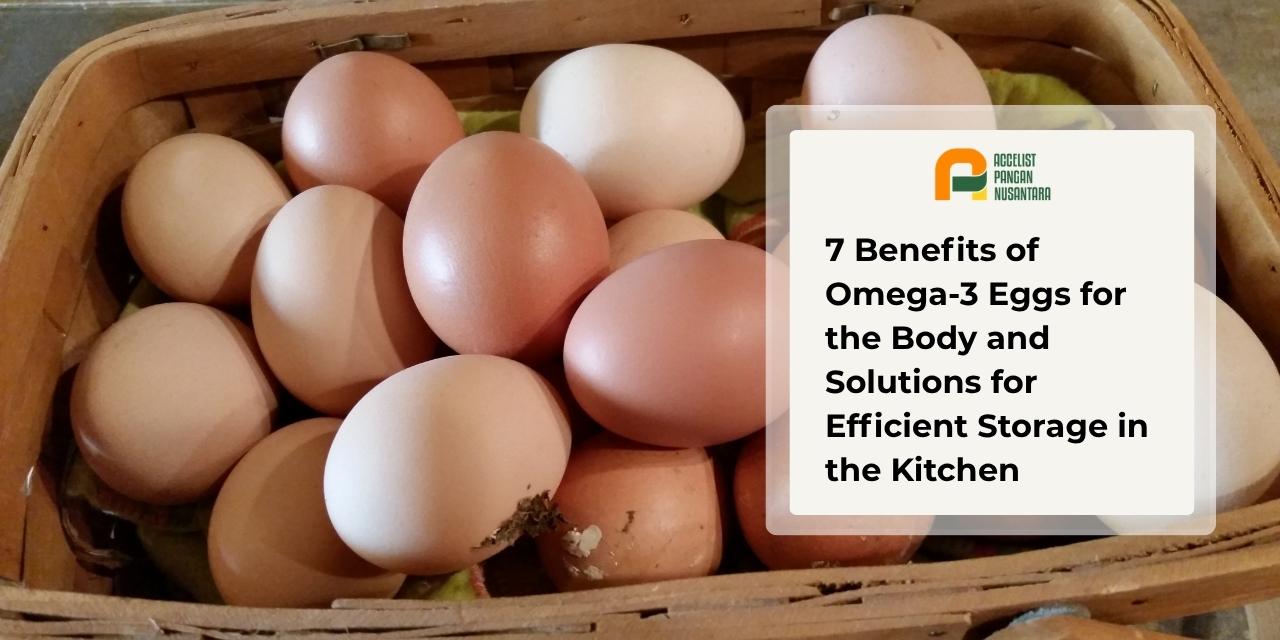
Have you ever experienced difficulty focusing at work or felt your body tire faster than usual? It could be because you lack daily Omega-3 intake. In fact, a minimum intake of this nutrient can trigger long-term health problems, ranging from memory decline to an increased risk of heart disease.
Incorporating Omega-3 eggs into your daily menu is a practical step to consistently meet these nutritional needs. You can still enjoy your family’s favorite delicious dishes while ensuring daily nutritional targets are met. This solution is perfect for those of you who might not have time to prepare seafood every day.
What is Meant by Omega-3 Fatty Acids?
Omega-3 fatty acids are a group of essential polyunsaturated fats (a type of healthy fat that helps keep blood vessels clean from cholesterol buildup). The human body does not have the biological system to produce them on its own. So, you must get this nutritional intake directly from food. You can find some natural sources rich in Omega-3 in marine fish like salmon, tuna, and sardines, plant-based sources like chia seeds and walnuts, to fortified products like Omega-3 eggs.
In fortified egg products, this nutrient comes from a special diet for laying hens such as flaxseed or marine algae. The chicken’s body then processes this feed and produces three main types of Omega-3 fatty acids inside the egg, namely:
- Alpha-Linolenic Acid (ALA)
A plant-based type of Omega-3 absorbed directly from the feed, functioning as an essential energy source for your body. - Eicosapentaenoic Acid (EPA)
A form of Omega-3 that has a specific role in relieving internal inflammation and maintaining smooth blood circulation. - Docosahexaenoic Acid (DHA)
A component that becomes the main raw material for building cell membrane structures (the outermost protective layer that regulates the entry and exit of substances in every body cell), ensuring it remains flexible and optimally supports brain function.
The combination of these three substances makes Omega-3 eggs highly nutritious for long-term consumption. When the cell protective layer is in prime condition and blood circulation is smooth, the body’s immunity will increase and vitamin absorption from other foods can run much more optimally.
Read also: The Difference Between Omega 3 and Regular Eggs
List of Nutritional Content in Omega-3 Eggs
Omega-3 eggs not only contain additional healthy fats, but also retain main nutritional intakes such as protein, choline, vitamin B12, and vitamin D just like regular chicken eggs. The main difference lies in the much higher level of Omega-3 fatty acids. This nutrient surge occurs thanks to the special feed given to laying hens, such as flaxseed or fish oil.
Here are the details of the nutritional components for a serving of one egg (size 53 grams) based on data from Fatsecret Indonesia:
| Nutritional Content | Content per Serving (53 grams) | Brief Explanation |
|---|---|---|
| Energy (Calories) | 70 kcal (293 kj) | The main fuel source so you have energy for daily activities. |
| Protein | 6 grams | Repairs damaged body cells and keeps muscle mass dense. |
| Total Fat | 5 grams | The overall fat tasked with helping the body absorb vitamins A, D, E, and K. |
| Monounsaturated Fat | 2 grams | Good fat that works to keep cholesterol levels in the blood stable. |
| Polyunsaturated Fat | 1 gram | The healthy fat category where Omega-3 resides, functioning to protect cells and brain function. |
| Saturated Fat | 1.5 grams | Natural fat inherent in eggs which is small in portion and safe for daily consumption limits. |
| Cholesterol | 195 mg | A natural substance your body needs to produce various important hormones. |
| Carbohydrates | 1 gram | A very low number, suitable for those of you who are limiting daily sugar intake. |
| Sodium | 65 mg | A very small natural salt level, not triggering the risk of increased blood pressure. |
Looking at the table details above, Omega-3 eggs offer a complete daily nutritional package. You get a high protein intake as well as a supply of body-protecting fats from just one staple food that is practically cooked anytime.
Read also: 5 Characteristics of Omega Eggs You Must Know Before Buying
7 Benefits of Omega-3 Eggs Based on Medical Research
Many people think the benefits of these eggs are limited to a daily nutritional supplement. Let’s dissect their specific impact on your body based on medical findings.
1. Supports Heart Rhythm Stability
Omega-3 fatty acids play a role in maintaining the health of the cardiovascular system, including helping to maintain blood vessel function, lowering triglycerides, and supporting the stability of the heart’s electrical activity.
The American Heart Association (AHA) explains that DHA and EPA content is proven to lower the heart rate while you are resting. This decrease is very closely related to the efficiency of the heart cells’ electrical activity.
This positive effect works actively to protect you from the risk of arrhythmia (strokes and congestive heart failure). This condition is a rhythm disorder that makes the heart beat too fast, too slow, or irregularly.
2. Maintains Blood Vessel Health
Besides maintaining rhythm, this nutrient is also tasked with protecting the walls of your blood vessels. Smooth blood flow is very important to cut the risk of coronary heart disease complications.
Medical experts from the Mayo Clinic state that Omega-3 intake can lower blood pressure and prevent clot formation. This protection keeps blood circulation stable.
A report from Johns Hopkins Medicine also found that Omega-3 works to slow the growth of plaque that potentially clogs arterial walls.
3. Lowers Blood Triglyceride Levels
Triglycerides are a type of blood fat the body uses as an energy reserve. Problems arise when these fat levels are too high because they can trigger serious metabolic disorders.
Official data from the National Institutes of Health (NIH) shows that EPA and DHA fatty acids can lower triglyceride levels by up to 15 percent. This percentage decrease is very meaningful for maintaining your daily blood fat profile.
Omega-3 eggs store much denser levels of DHA and EPA than regular chicken eggs. Making them a daily side dish is a practical step so your blood fat numbers remain within normal limits.
4. Supports Brain Function and Memory
DHA is the raw material composing the physical structure of your brain and central nervous system. Its presence is highly needed so communication traffic between nerve cells can run smoothly.
Medical research publications in PubMed prove that high Omega-3 levels are directly proportional to memory sharpness. This brain cell membrane building nutrient is highly relied upon to maintain cognitive health in old age.
The high DHA content in Omega-3 eggs makes them ideal as nerve-nourishing food. Your brain receives a specific nutritional supply to prevent memory decline upon entering old age.
5. Helps Control Chronic Inflammation
Chronic inflammation occurs when the body’s immune system is active continuously without stopping. This long inflammation phase is often the forerunner of serious diseases like diabetes to arthritis.
The Harvard Medical School institute outlines Omega-3’s ability to stop the production of inflammation-triggering chemicals. This healthy fat directly cuts the inflammation cycle from its cellular source.
Harvard T.H. Chan School of Public Health also adds that this nutrient is the basic ingredient for creating inflammation-regulating hormones. Consuming these nutrient-rich eggs gives your body natural ammunition to relieve pain and inflammation.
6. Optimizes Fetal and Child Brain Development
Pregnant women desperately need a supply of DHA to ensure the formation of the fetal nervous system runs perfectly. A baby’s brain needs to absorb these building nutrients in very large amounts.
The NIH Office of Dietary Supplements affirms that DHA accumulation occurs fastest in the third trimester of pregnancy. It is during this phase that the main foundation of a child’s intelligence is being built.
Incorporating Omega-3 eggs into a pregnant woman’s menu is an accurately targeted nutritional solution. The need for this essential brain-building fat can be well met to support the golden growth period of the fetus.
7. Maintains the Sharpness of Eye Retina Function
Human eye anatomy places DHA as a main component within the retinal tissue and photoreceptor cell membranes (light-sensitive nerve cells). This part holds full control in capturing the light of your vision.
The scientific journal Journal of Lipid Research and the DHA Omega-3 Institute agree that fulfilling DHA is a requirement to maintain visual sharpness. Without this nutritional intake, the eye’s ability to focus can decline.
Omega-3 egg yolks also supply a natural antioxidant named lutein (an eye-protecting nutrient from damage caused by blue light and aging). This combination of lutein and DHA directly works to protect the macular area of the eye from damage due to daily oxidative stress exposure.
Read also: Do Eggs Contain Fat? Here are the Complete Facts You Need to Know
Challenges of Nutrient Extraction and Processing Fresh Eggs in the Kitchen
Maximizing nutrient absorption from fresh eggs often hits the technical challenges of daily storage and processing. Here are some of the main problems:
- Fragile shell risk
The physical character of eggs demands extra carefulness when moving raw material stock. Egg-breaking incidents due to impact often add to the burden of financial losses in the kitchen. - Bacterial threat and space burden
Raw eggs are prone to carrying Salmonella bacteria, so they must be placed in a temperature-stable refrigerator. This requirement automatically takes up a lot of storage space capacity and raises monthly electricity bills. - Nutritional sensitivity to heat
Unsaturated fats are very sensitive to overly extreme fire temperature exposure. An overcooked cooking process actually risks damaging the Omega-3 molecular structure inside. - Processing time inefficiency
Cracking shells manually consumes many working hours, especially for mass food production scales. This operational challenge is what drives the shift to using egg powder to save time and energy. - Encapsulated nutrition solution
Modern technology ensures the Omega-3 content in powdered eggs remains safely locked in. You can directly apply this practical raw material to various batter recipes without fear of losing its essential nutritional benefits.
Switching to the egg powder format clearly cuts all the daily logistical complexities in your kitchen. The burden of ruined ingredient risks and the necessity of preparing special refrigerator space is now no longer a cost-draining problem.
Conclusion
Omega-3 fatty acids have an absolute role in maintaining heart rhythm, relieving chronic inflammation, and nourishing brain cells. Your body does not have a biological system to produce them on its own. So, you must proactively meet its intake from nutrient-dense sources like eggs.
Unfortunately, managing fresh eggs in the kitchen often brings problems of space efficiency and hygiene risks. Quickly filling refrigerator capacity and the threat of bacterial contamination become operational hurdles, especially for professional kitchens. The food business line needs quality raw materials free from these logistical complexities.
Accelist Pangan Nusantara is here offering practical solutions through its egg powder product line. This product is made from certified selected raw materials and processed with high hygiene standards. Its dry powder format ensures you can measure portions accurately without the hassle of cracking shells.
Flagship variants like Mixed Egg Powder are also proven to have a much longer shelf life than fresh eggs, ensuring you get the functional benefits of eggs with storage management that is much more concise and safe.
FAQ
Reasonable heating like boiling or quick sautéing will not damage the structure of these healthy fats. However, frying with very high-temperature oil has the potential to trigger oxidation which slowly decreases Omega-3 effectiveness.
Healthy adults without a history of genetic cholesterol are highly recommended to consume 1 to 2 eggs a day. You must consult a clinical nutritionist if you have specific medical restrictions from a doctor.
The most striking difference is in the type of feed at the farm. Chickens producing Omega-3 eggs routinely consume special feed like flaxseed or marine algae extract which multiplies their unsaturated fat reserves.
Almost 100 percent of the total content of this good fat accumulates specifically in the egg yolk. The pure egg white is tasked with supplying dense protein and is completely free of fat content.
The medical world uses the term essential because our digestive organs do not have the ability to produce this substance themselves. You must bring in its supply purely from an outside route, such as through daily side dishes.