
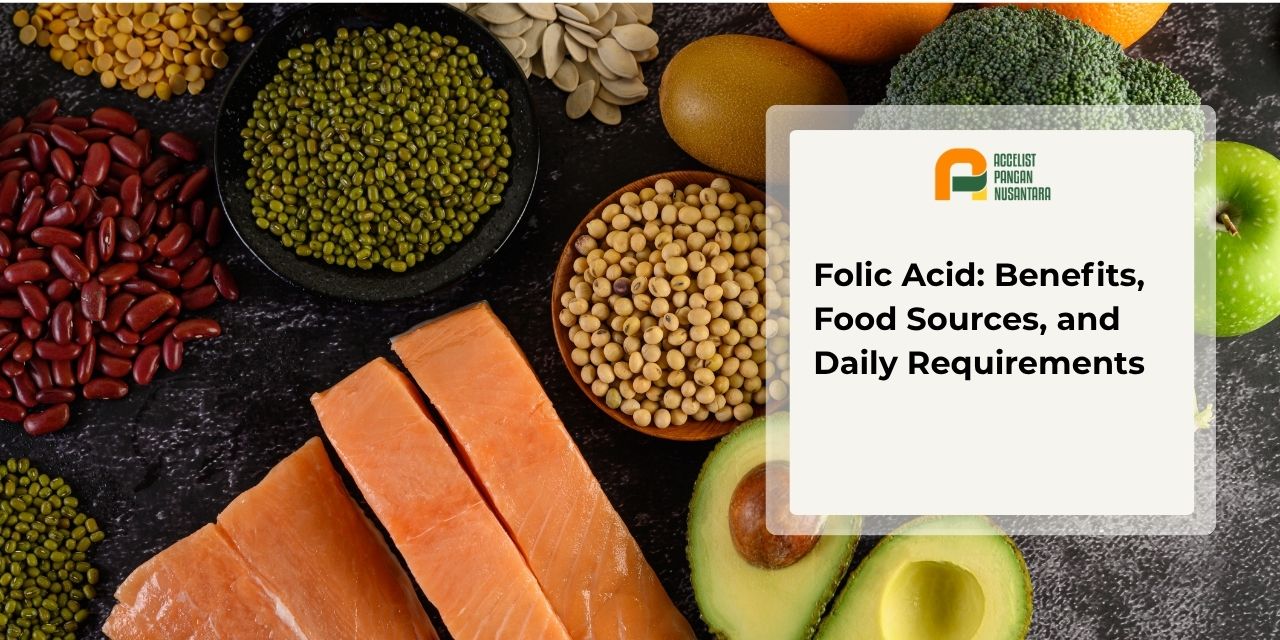
Folic acid is the synthetic form of vitamin B9 commonly added to supplements and fortified foods. The human body cannot produce folic acid on its own, so the entire requirement must be met from outside sources, whether through food or supplements.
According to Indonesia’s Minister of Health Regulation No. 28 of 2019 on Recommended Dietary Allowances, the daily folic acid requirement for adults stands at 400 micrograms. That figure jumps to 600 micrograms per day once a woman enters the first trimester of pregnancy, because the fetus is forming its nervous system and vital organs at the same time.
This 200-microgram jump in requirement is exactly what keeps folic acid a consistently relevant topic, especially for women who are planning or currently experiencing pregnancy. This article covers the function of folic acid, its food sources, and practical ways to meet daily requirements.
What Is Folic Acid and How Does It Differ From Natural Folate?
Folate and folic acid are often assumed to be the same thing, yet they differ in both source and how the body absorbs them. Folate is the naturally occurring form of vitamin B9 found in leafy greens, legumes, and fruits.
Folic acid, on the other hand, is a synthetic version manufactured to be added to supplements or fortified products such as cereal and bread. The two also differ in absorption rate, as explained in folic acid pharmacology resources. The bioavailability of natural folate from food is only around 50 percent, while synthetic folic acid consumed with food reaches 85 to 100 percent, which is why obstetricians often recommend combining both to keep blood folate levels optimal.
Why Is Folic Acid Important for the Body?
Folic acid serves four main functions that make it irreplaceable by any other nutrient, particularly in early pregnancy.
1. Preventing Neural Tube Defects in the Fetus
Folic acid helps prevent neural tube defects by supporting the complete closure of the fetal spine during the earliest weeks of pregnancy. Without sufficient intake during this period, folic acid deficiency is closely linked to the risk of a baby developing spina bifida, a condition with permanent effects on the child’s nerve function.
2. Supporting Red Blood Cell Formation
Folate works together with vitamin B12 to form healthy red blood cells. Folate deficiency can trigger megaloblastic anemia, a condition in which red blood cells grow abnormally large yet fail to mature properly, making them unable to carry oxygen effectively.
3. Lowering the Risk of Preterm Birth
A study by Wen and colleagues in Canada matched data from pregnant women with and without a history of preeclampsia, then controlled for variables such as gestational age, ethnicity, number of previous pregnancies, body weight, and prior preeclampsia history. The result showed that folic acid supplementation in early pregnancy was associated with up to a 66 percent reduction in preeclampsia risk among the group studied.
That said, observational study results like these do not necessarily apply equally across all populations, so further research is still ongoing. The strongly proven benefit for preventing neural tube defects remains the standard reason folic acid is recommended for pregnant women, regardless of its still-debated additional benefit for preeclampsia.
4. Supporting Brain Health and Mood
Folate also plays a role in homocysteine metabolism, an amino acid that, when levels run too high, is linked to mood disorders and increased heart disease risk. Adequate folate levels help keep homocysteine within a normal range.
How Much Folic Acid Is Needed Daily Based on Age?
Daily folic acid requirements vary depending on age and physiological condition, with pregnant women having the highest requirement of all groups. Here is a breakdown of daily requirements based on the Recommended Dietary Allowance issued by Indonesia’s Ministry of Health.
| Age Group / Condition | Daily Folic Acid Requirement |
|---|---|
| Children aged 1-6 years | 160-200 mcg |
| Children aged 7-9 years | 300 mcg |
| Teenagers and adults (10 years and above) | 400 mcg |
| Breastfeeding mothers | 500 mcg |
| Pregnant women | 600 mcg |
It’s worth noting that excessive folic acid intake without medical supervision is not without risk. Doses above the recommended daily allowance can trigger side effects such as bloating and digestive discomfort, so supplementation should always be adjusted according to a healthcare provider’s recommendation.
8 Food Sources Highest in Folic Acid
Meeting daily folic acid needs is actually achievable through a varied daily menu without relying solely on supplements. The eight food items below are recorded as having high folate content per serving.
1. Chicken Liver
Based on chicken liver nutritional data, this food contains 578 micrograms of folic acid per 100 grams, making it one of the highest folate sources among animal products. Its high iron content also helps prevent anemia in pregnant women.
2. Spinach
One cup of spinach holds around 194 micrograms of folic acid. This leafy green is also rich in fiber, which helps keep you feeling full for longer.
3. Asparagus
One cup of asparagus contains 262 micrograms of folic acid, along with antioxidants that have anti-inflammatory properties. This vegetable is best lightly steamed so its folate content doesn’t degrade from excessive heat.
4. Avocado
Avocado contains 110 micrograms of folic acid and is high in healthy fats that support the absorption of fat-soluble vitamins. Its soft texture also makes avocado easy to blend into smoothies or spread on toast.
5. Orange
One cup of orange contains 74 micrograms of folic acid, plus vitamin C that supports immune function. This combination makes oranges a practical snack for busy days.
6. Legumes
Kidney beans and green peas are well known as affordable, easy-to-cook plant-based folate sources. Beyond folate, this food group also contributes significant amounts of plant protein and fiber.
7. Fortified Bread and Cereal
Whole wheat bread and breakfast cereal products labeled “folic acid fortified” typically contain around 65 micrograms per serving of whole wheat bread. Reading product labels is still necessary to confirm a product is actually fortified, since not all brands add the same amount of folate.
8. Egg Yolk
Egg yolk contains around 145 micrograms of folic acid per 100 grams, a notably higher amount compared to egg white. Folate, choline, and B-complex vitamins are indeed concentrated in the yolk rather than the white.
What Happens if the Body Lacks Folic Acid?
Folic acid deficiency rarely shows obvious symptoms early on, so cases are often only detected after a routine blood test. The following three signs are worth watching for, especially in pregnant women.
- Fatigue and pale skin, resulting from disrupted red blood cell production.
- Recurring mouth ulcers and a sore tongue, because oral mucosal cell regeneration slows down without adequate folate.
- Slowed fetal growth, which in severe cases can lead to neural tube abnormalities such as spina bifida.
Effective Ways to Meet Daily Folic Acid Needs
Meeting the 400 to 600 microgram daily folate target is actually not as difficult as it sounds once your diet is well organized. The following three steps can serve as a practical guide.
- Combine plant and animal sources: Pair leafy greens with animal products such as chicken liver or eggs in your daily menu for a more varied folate intake.
- Choose cooking methods with minimal excess heat: Steaming is preferable to prolonged boiling, since excessive heat can destroy 50 to 90 percent of the folate content in food.
- Consult a doctor about supplement needs: This step matters especially for women who are planning a pregnancy, so supplement dosage can be tailored to individual conditions.
Conclusion
Folic acid is far more than just an extra supplement. It’s the nutrient that determines how a fetus’s nervous system forms from the very first weeks of pregnancy. The requirement jump from 400 to 600 micrograms per day during pregnancy shows just how much attention this vitamin deserves, not only through supplements but also through daily eating habits.
Leafy greens, chicken liver, legumes, and egg yolk can all be combined to meet folate needs naturally. Consistency in choosing a daily menu matters far more than relying on a single type of food alone.
For food and beverage manufacturers looking to formulate folate-rich products, egg yolk stands out as a raw material worth considering, given its higher folate concentration compared to egg white. Egg Yolk Powder from Accelist Pangan Nusantara offers a practical, shelf-stable raw material solution that’s easy to apply across a wide range of processed products without compromising nutritional value.
For product information and further technical specifications, please Contact Us.

FAQ
No. Folic acid is still needed by everyone for red blood cell formation and overall cell health; the requirement simply increases sharply during pregnancy.
Obstetricians generally recommend starting supplementation during the pregnancy planning stage, ideally 1-3 months before actively trying to conceive.
Yes. Consuming too much without medical supervision can trigger digestive issues such as bloating, so supplement doses should always follow a doctor’s guidance.
Its folate content will drop significantly. It’s best to cook folate-rich vegetables briefly, or consume them lightly cooked whenever possible.