
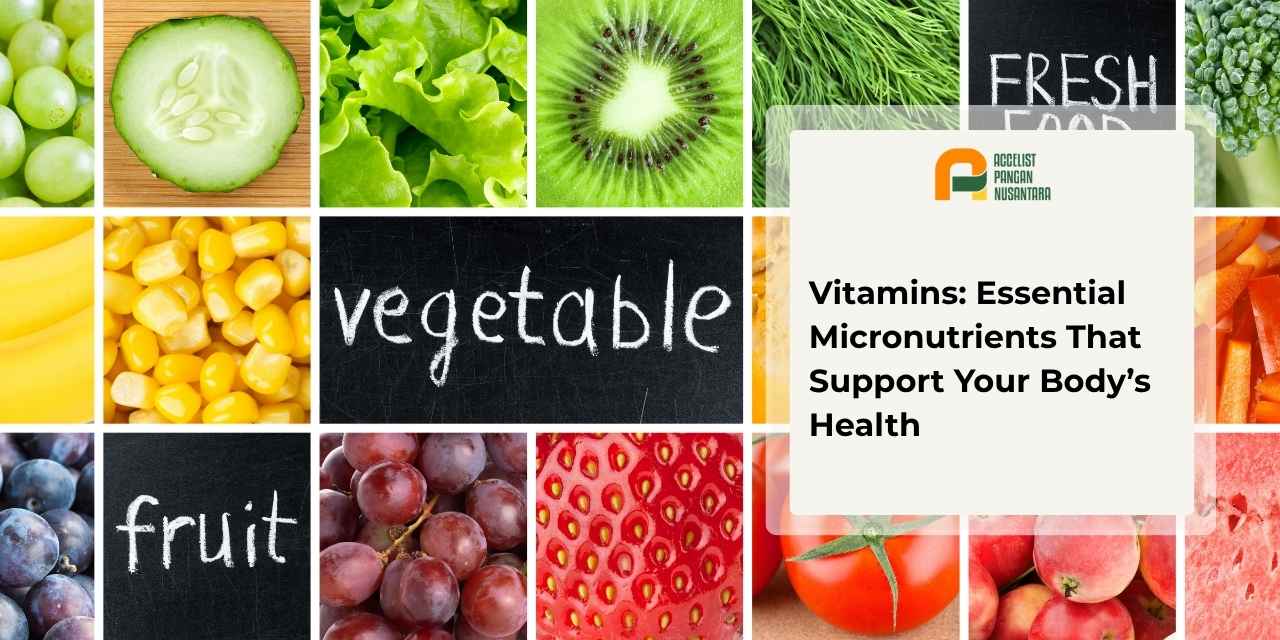
We often eat simply to feel full or to get energy from carbohydrates and proteins. However, behind our daily food portions, an extremely tiny component exists. This tiny part actually takes full control over how the body’s machinery works.
Furthermore, this component provides absolutely no calories to give you energy. Yet, without it, your eyes will fail to see clearly in the dark. Small cuts on your skin will also take a terribly long time to heal completely.
What is Meant by Vitamins?
Vitamins act as a group of essential organic compounds that the body needs in small amounts. The medical world usually calls them micronutrients. Despite their tiny portions, this nutrition works directly to deeply secure smooth basic metabolism. In practice, vitamins ensure the body can easily perform daily tasks. These include converting food into energy, repairing damaged cells, or accelerating wound healing.
The main problem arises because human internal organs lack the genetic ability to produce these nutrients themselves. Consequently, you must get your daily supply strictly from food intake. Without proper nutrition, the body’s biological engine will definitely start experiencing severe disturbances. These range from a body that tires easily to absolute long-term disease risks.
The term “vitamin” originated from the word “vitamine”. Polish biochemist Casimir Funk proudly introduced it in 1912. He derived the name directly by combining the Latin word “vita” (meaning “life”) and “amine”. At that time, Funk strongly believed that the crucial compounds preventing deficiency diseases belonged to the amine group, which is strictly essential for life.
Eventually, scientists discovered that not all vitamins contain amine groups. Therefore, they officially dropped the letter “e” from the word vitamine, making it simply “vitamin”.
4 Main Functions of Vitamins for the Body’s Biological Performance
Many people swallow supplements when feeling weak, wrongly thinking vitamins provide instant energy. In reality, these nutrients contain absolutely zero calories. They do not directly contribute any energy at all. Instead, their role looks much more like an ignition key in a motor vehicle. Vitamins certainly do not act as the fuel. However, your body’s biological engine will fail to process food completely without their presence.
Here are the four main functions that these micronutrients actively regulate:
- Acts as a Driving Coenzyme
First, the B-complex vitamin acts as a crucial part of a coenzyme. It actively helps enzymes execute various body metabolism reactions. According to the NIH Office of Dietary Supplements, vitamin B strongly helps the body extract energy from the carbohydrates, proteins, and fats you consume. - Supports Cell Growth
Second, Vitamin A plays an extremely important role in cell growth, development, and differentiation. Meanwhile, vitamin D actively helps maintain the formation and preservation of healthy bones. Both of these vitamins contribute massively to the continuous tissue renewal process inside the body. - Acts as an Antioxidant
Third, experts recognize Vitamin C and Vitamin E as powerful antioxidants. They actively help protect cells from severe damage caused by free radicals and oxidative stress. This strong protection remains vital to deeply maintain body cell and tissue integrity. - Maintains Immune System Defense
Finally, several vitamins, especially A, C, D, and E, play a huge role in supporting normal immune system functions. The NIH clearly explains that specific vitamin deficiencies can severely impact immune functions negatively. Ultimately, this sharply increases your vulnerability to various infections.
Classification of 13 Essential Vitamin Types and Their Food Sources
Medical experts officially recognize 13 essential vitamin types that the body absolutely must obtain. They divide the grouping into two main categories based strictly on how the body dissolves and stores these compounds.
1. Fat-Soluble Vitamins
Fat-soluble vitamins need strong help from fat molecules in food. This allows the intestinal walls to actively absorb them maximally. Without adequate fat intake, these nutritional inputs will simply pass through the digestive tract uselessly without providing any benefits.
Fortunately, the body does not throw away leftover nutrients when you consume them excessively. The liver and fat tissues will immediately catch and store them as a secure backup. The body automatically uses this hidden stock when your daily intake suddenly drops.
| Vitamin Name | Main Function for the Body | Best Natural Food Sources |
|---|---|---|
| Vitamin A (Retinol) | Maintains eye retina health and actively regenerates completely new skin-protecting cells. | Carrots, sweet potatoes, spinach, and egg yolks. |
| Vitamin D (Calciferol) | Binds calcium strongly to firmly lock in bone and tooth density levels. | Morning sunlight exposure, salmon, and egg yolks. |
| Vitamin E (Tocopherol) | Acts as an antioxidant (a cell-protecting compound). It actively guards cell membranes from free radical damage. | Almonds, sunflower seeds, and pure olive oil. |
| Vitamin K (Phylloquinone) | Ensures blood clots extremely quickly when the skin suffers a cut. This stops bleeding rapidly. | Dark green leafy vegetables like kale and broccoli. |
Because the body stores them for a very long time, you do not need to take fat-soluble vitamin supplements in high doses every day. Accumulating excessive reserves in the liver actually risks triggering hypervitaminosis (an organ poisoning condition caused by severe vitamin overdoses).
2. Water-Soluble Vitamins
This second category features a completely opposite reaction trait. The compounds dissolve instantly the moment they touch the fluids inside the stomach and bloodstream. The human body totally lacks a special room to store water-soluble vitamin reserves for the long term.
If you accidentally consume way too much of them, the kidneys will immediately filter out the excess. They throw it away directly through urine. This fast-wasting trait absolutely requires you to fulfill them every single day through fresh food.
| Vitamin Name | Main Function for the Body | Best Natural Food Sources |
|---|---|---|
| B1 (Thiamine) | Directly converts food intake into glucose (blood sugar) as a pure energy contributor. | Whole grains and fresh lean meat. |
| B2 (Riboflavin) | Maintains nerve cell wrapper health and beautifully smoothens cell-level metabolism. | Pure milk, mushrooms, and chicken egg whites. |
| B3 (Niacin) | Controls healthy DNA production and perfectly preserves brain cognitive functions (thinking and remembering abilities). | Chicken breast cuts, tuna fish, and peanuts. |
| B5 (Pantothenic Acid) | Controls the formation of vital hormones and actively produces completely new red blood cells. | Avocados, fresh beef, and natural yogurt. |
| B6 (Pyridoxine) | Forms neurotransmitters (nerve messenger compounds) in the brain for absolute mental health stability. | Fresh bananas, green beans, and salmon. |
| B7 (Biotin) | Regulates amino acid processing (the basic components forming proteins). It also firmly maintains hair follicle and nail structures. | Hard-boiled eggs, sweet potatoes, and almonds. |
| B9 (Folic Acid) | Actively prevents neural tube defect threats (the initial structure forming the brain and spine) in fetuses during pregnancy. | Fresh spinach leaves, asparagus, and beef liver. |
| B12 (Cobalamin) | Maintains the myelin sheath (the nerve cable protective coating). This nutrient exists purely in animal products. | Red meat, cow’s milk, sea shells, and whole eggs. |
| Vitamin C (Ascorbic Acid) | Builds the collagen network (skin structure-forming protein) and vastly accelerates minor wound healing. | Sweet oranges, guava, red bell peppers, and strawberries. |
Specifically for vitamin B12, strict vegan or vegetarian groups face the most massive risk of experiencing malnutrition. Considering you only find this compound naturally in meat and animal products, they absolutely need extra help. They must use supplements or alternatively fortified foods (artificially enriched with extra nutrients).
Fundamental Differences Between Vitamins and Supplements
In medical practice, the terms vitamins and supplements refer to two completely different things. Vitamins act as purely essential nutrients. They organically hide inside the fresh food ingredients that you eat every day.
Meanwhile, supplements serve as factory-made products. They come in the form of pills, capsules, liquids, or powders. Manufacturers specifically design these products to provide extra nutritional intake. Their contents can feature synthetic substances (laboratory-made artificial compounds) or highly concentrated extraction results (starch-pulling processes).
Doctors generally prescribe supplements specifically for people with certain physical conditions. Clear examples include patients experiencing nutritional absorption disorders in the digestive tract. Pregnant women who genuinely need extra nutritional reserves also receive these prescriptions.
Medical Risks Caused by Vitamin Deficiency
Ignoring daily micronutrient intake can trigger extremely serious medical problems. Malnutrition (a severe poor nutritional condition) caused by a drop in essential vitamin levels does not just make the body feel weak.
A report from the World Health Organization (WHO) notes a tragic fact. Vitamin A deficiency acts as the main cause of childhood blindness. Ironically, people can actually prevent this condition very easily. Every year, about 250,000 to 500,000 children lose their sight due to this exact condition. Tragically, half of them die within 12 months afterward.
Besides blindness, here are several other fatal medical risks caused by severe nutritional negligence:
- Scurvy
This condition occurs due to a severe and prolonged lack of vitamin C. You can see its symptoms clearly through swollen and bleeding gums, loose teeth, and extremely hard-to-heal wounds. This directly results from a collagen formation disorder (the protein composing body tissues). - Rickets (Soft Bone Disease)
A severe lack of vitamin D during the growth period aggressively disrupts a child’s bone mineralization (hardening) process. This condition turns bone structures soft, making them easily change shape. Ultimately, it triggers unnaturally bowed legs. - Pernicious Anemia
This disease appears when the body tragically fails to absorb vitamin B12 optimally. This happens due to a severe disturbance in the intrinsic factor (the stomach protein that absorbs the vitamin). The effect triggers megaloblastic anemia (unnaturally enlarged red blood cells). Furthermore, it causes chronic fatigue, shortness of breath, and persistent tingling in the hands and feet. - Beriberi
Vitamin B1 or thiamine deficiency carries a massive risk of triggering muscle weakness and numbness in the limbs. It even causes severe heart function disorders. History records that this disease frequently attacked ancient community groups. They survived purely by consuming milled rice without any extra thiamine intake from other side dishes.
Vitamin Requirements Based on Age Groups
The dosage for the body’s micronutrient needs absolutely does not use a flat-rate system. The dosage and specific nutritional focus targets will continuously shift, strictly adjusting to your exact age phase.
Here are the three main phases of shifting vitamin needs:
- Toddler and Childhood Phase
First, during the growth period, children absolutely need adequate vitamin A and D intake. Vitamin A specifically regulates the tissue growth process and physical development so the child grows normally. Meanwhile, vitamin D takes on the task of helping the body absorb calcium. This strongly pushes healthy bone mineralization (hardening process). - Productive Adult Age
Second, when you start working actively, the nutritional intake focus shifts massively. It targets maintaining your metabolism and body health for the absolute long term. The vitamin B group holds the main task in this phase to actively process food into pure energy. This exact energy supply supports you in running your daily routine perfectly while keeping various organ functions running incredibly smoothly. - Elderly Phase
Finally, the decline of organ functions in old age demands much more specific nutritional attention. This applies especially to vitamin B12 and D. Reports from health institutions clearly show that people over the age of 50 generally start experiencing extreme difficulty absorbing vitamin B12 directly from food. Moreover, an elderly person’s skin’s ability to naturally produce vitamin D from sunlight exposure also drops drastically as they age.
The Benefits of Eggs as Natural Multivitamin Capsules
Fresh eggs provide a highly dense natural nutritional source. This food ingredient contains almost the entire list of essential vitamins the human body needs, completely except for vitamin C.
Behind its shell, an egg tightly stores a supply of vitamin B12, riboflavin, and vitamin A. It even holds pure vitamin D reserves. Although its nutritional profile looks incredibly complete, using whole raw eggs on a culinary industry or restaurant production scale actually creates highly tangible operational obstacles.
The process of manually cracking hundreds of eggshells burns away massive amounts of kitchen staff productive time. The shelf life of whole eggs inside cooling facilities also counts as extremely short. The most serious risk actually comes from the severe threat of cross-contamination.
Salmonella bacteria frequently stick to the surface of dirty shells. They are highly vulnerable to infiltrating the food production area. Ultimately, they directly destroy operational food safety standards completely.
Conclusion
Vitamins hold absolute control over the smooth running of thousands of chemical reactions inside the body. The human body absolutely must receive a steady supply of these 13 essential nutrients routinely every single day. A lack of micronutrient intake dangerously risks triggering various severe physical problems. These range brutally from easily porous bones to a deeply weakened immune system.
Fresh eggs act as nutrient-dense food ingredients that can perfectly fulfill that nutritional needs list. However, using raw shell eggs for mass production in commercial kitchens frequently raises huge operational obstacles. The time spent cracking eggs, the severe bacterial threat on dirty shells, and the highly short shelf life clearly burden culinary business players.
The egg powder innovation from Accelist Pangan Nusantara arrives as the ultimate solution to permanently break these operational barriers. This high-quality product securely locks all the fresh egg’s natural nutrients directly into a dry powder form.
You do not need to bother looking for cooling space. This product stays completely durable even when you store it at normal room temperature. Commercial kitchens can now easily serve highly nutritious dishes through a much more concise workflow. Your business’s food safety standards remain perfectly intact through a completely safe, highly hygienic, and incredibly efficient operational flow.
FAQ
Urine usually safely flushes out excess water-soluble nutrients. However, long-term megadose consumption of synthetics will still aggressively burden your kidney’s work rhythm.
Bacteria inside animal bodies exclusively synthesize Vitamin B12. Therefore, you will absolutely not find it naturally on any leaves or vegetables whatsoever.
High heat destroys water-soluble nutrients like types B and C. Consequently, experts highly recommend a quick stir-fry technique rather than boiling them for far too long.
UVB rays actively stimulate skin cholesterol molecules to mutate into Vitamin D. However, the extremely dense schedules of urban residents make supplementary nutritional intake from food absolutely mandatory.
A high absorption of carotenoid pigments from chicken feed purely influences the reddish-yellow color. It absolutely does not represent the nutritional density ratio inside it at all.