
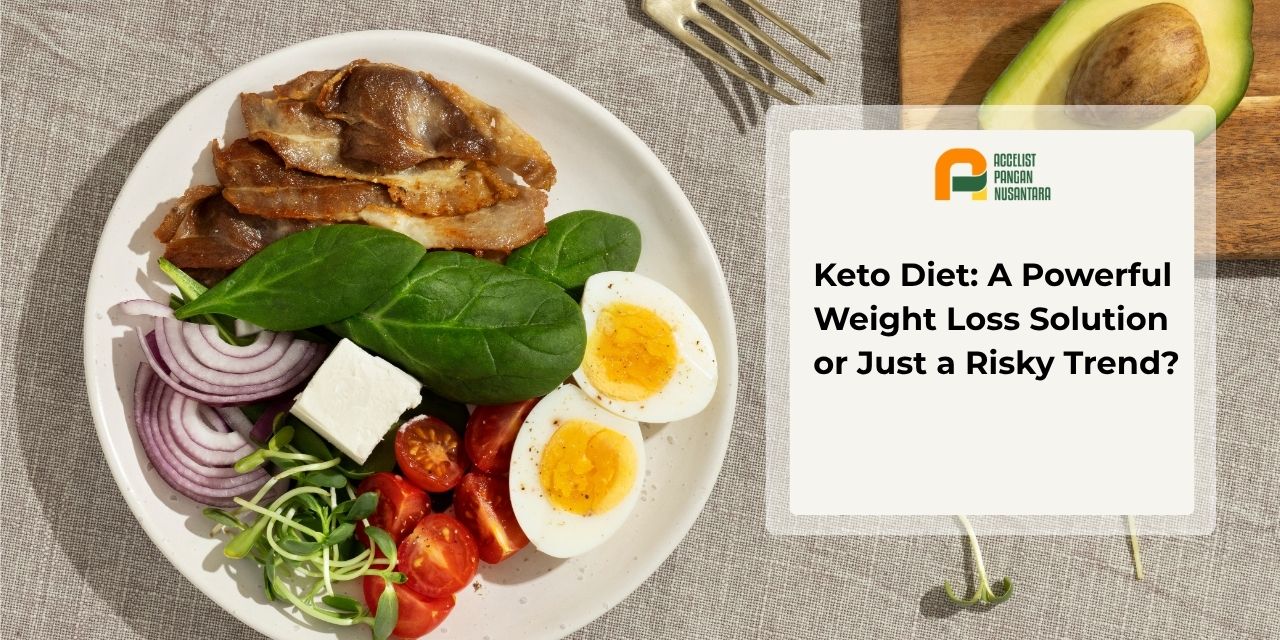
The keto diet has recently become a popular choice for people who want to lose weight quickly without committing to regular gym sessions. The trend has gained even more traction on social media, especially after several public figures showed off dramatic weight loss results within just a few weeks.
The problem is, not everyone fully understands how this eating pattern works before jumping in. This article covers the keto diet in depth, from how it works and its variations to its benefits and the risks you need to watch out for.
What Is the Keto Diet?
The keto diet is an eating pattern that strictly limits carbohydrate intake and replaces it with fat as the primary energy source. The body, which normally burns glucose from carbohydrates, is forced to switch to burning fat instead, a metabolic state known as ketosis.
According to Harvard T.H. Chan School of Public Health (2025), the macronutrient composition of a typical keto diet consists of roughly 70 to 80 percent fat, 5 to 10 percent carbohydrates, and 10 to 20 percent protein. Compare that to a typical Indonesian diet, where rice alone can account for more than half of daily caloric intake.
For context, a medium-sized plate of white rice contains around 45 grams of carbohydrates. That figure alone comes close to the daily carb limit allowed on a keto diet, which means anyone following it needs to be genuinely disciplined about food choices.
How Does Ketosis Work in the Body?
Ketosis occurs when the liver’s glycogen reserves are depleted due to very low carbohydrate intake. The liver then converts fat into ketones, molecules used by the brain and muscles as a replacement fuel for glucose.
This process typically takes two to four days after carbohydrates are strictly limited. During this transition period, many people experience symptoms known as the “keto flu,” such as dizziness, fatigue, and difficulty concentrating.
Once this transition phase passes, the liver produces ketones more consistently and the body becomes accustomed to using them as its main fuel source. This state, commonly called being “fat-adapted,” tends to reduce feelings of hunger, since the body no longer depends on blood sugar spikes from carbohydrates as explained in the macronutrient composition section above.
4 Types of Keto Diets You Should Know
The keto diet isn’t a single, fixed approach. There are four main variations developed to suit different needs and activity levels.
1. Standard Ketogenic Diet (SKD)
This is the most common version, with a fixed ratio of fat, protein, and carbohydrates maintained daily without adjustment. For example, someone might have eggs and avocado for breakfast, grilled chicken breast with broccoli for lunch, and baked salmon for dinner, with no rice or bread at all.
2. Cyclical Ketogenic Diet (CKD)
This pattern includes periods of higher carbohydrate intake, such as five low-carb days followed by two days with more relaxed carb intake. Athletes who need quick energy for intense training often choose this approach to maintain performance.
3. Targeted Ketogenic Diet (TKD)
In this variation, carbohydrates are added right before or after exercise. A runner who eats a banana before an intense training session, for instance, is using the TKD approach to keep their energy up without fully leaving ketosis.
4. High-Protein Ketogenic Diet
Based on a review in NCBI StatPearls (2025), this variation raises protein intake to around 30 to 35 percent, while fat is reduced to roughly 55 to 60 percent. This approach suits people who want to preserve muscle mass while following a low-carb pattern, such as Farhan, a bodybuilder during a cutting phase.
Foods Recommended and Restricted on the Keto Diet
Success on the keto diet depends heavily on choosing the right foods. Here’s a breakdown of what’s recommended and what should be limited.
Recommended foods:
- Eggs and egg-based products
- Beef, chicken, and fatty fish such as salmon
- Olive oil, coconut oil, and butter
- Low-carb vegetables such as spinach, broccoli, and zucchini
- Nuts and seeds, in limited portions
Foods that should be limited:
- Rice, bread, and noodles
- High-sugar fruits such as mango and banana
- White sugar and sweet processed foods
- Potatoes and starchy tubers
- Soft drinks and packaged juices
For example, someone who usually eats fried rice for breakfast could swap it for scrambled eggs and avocado. A simple change like this is already enough to drastically cut daily carbohydrate intake.
4 Health Benefits of the Keto Diet
The keto diet offers four main benefits that have been clinically demonstrated, particularly for certain metabolic conditions. Here’s a closer look at each.
- Supports weight loss
A 24-week randomized clinical trial involving 120 people with high blood lipid levels, published in the Annals of Internal Medicine, found that the low-carb diet group lost more weight compared to the low-fat diet group. Strict carbohydrate restriction pushes the body to tap into fat reserves for energy more quickly. - Helps control blood sugar levels
A study in the journal Nutrition & Diabetes that followed 34 people with type 2 diabetes and prediabetes over 12 months found a greater reduction in HbA1c among those on a low-carb ketogenic diet compared to those on a low-fat diet. This condition still requires medical supervision, since blood sugar changes can affect diabetes medication dosages. - Reduces seizure frequency in certain types of epilepsy
The ketogenic diet was originally developed for children with epilepsy who didn’t respond to medication, and it’s still used in some hospitals today as an adjunct therapy. - Promotes longer-lasting satiety
Fat and protein are digested more slowly than simple carbohydrates, which means hunger tends to strike less often throughout the day.
As an illustrative case, Rina (34), a private-sector employee with type 2 diabetes, reported a drop in her fasting blood sugar after two months on the keto diet under the supervision of a nutrition physician. Cases like this highlight that individual results still need to be monitored regularly, and should never replace medication without medical consultation.
4 Risks and Side Effects of the Keto Diet to Watch Out For
The keto diet isn’t without risks, especially if followed without proper guidance. The following four side effects are common, particularly in the early stages.
- Keto flu: Symptoms like dizziness, nausea, and fatigue appear in the first few days as the body adapts to a new energy source.
- Fiber and micronutrient deficiency: Restricting fruit and whole grains can lead to constipation and vitamin deficiencies if not balanced with enough low-carb vegetables.
- Rising LDL cholesterol: Excessive intake of saturated fat can raise “bad” cholesterol in some people, making regular blood tests important.
- Extra strain on the kidneys: Long-term high protein intake can burden kidney function, especially in people who already have impaired kidney health.
Dr. Widyan Putra Anantawikrama, MPH, writing on the official website of Indonesia’s Ministry of Health (2023), noted that the ketogenic diet needs careful consideration for people with a history of heart disease, since high saturated fat intake can affect blood lipid profiles.
4 Groups Who Should Avoid the Keto Diet
Not everyone is a good fit for this eating pattern. The following four groups face greater risk than benefit from the keto diet.
- Pregnant and breastfeeding women, since their nutritional needs are more complex and differ from those of adults in general
- People with type 1 diabetes, who are at risk of ketoacidosis, a dangerous condition caused by excessively high ketone levels
- People with kidney or liver disorders, since these organs must work harder to process large amounts of fat and protein
- People with a history of pancreatitis or gallbladder disorders, since digesting high amounts of fat can worsen these conditions
As an illustration, Sari, who is in her second trimester of pregnancy, pushed herself to follow the keto diet to manage her weight. This choice risked leaving her deficient in folate and fiber, both essential for fetal development, which is why consulting an obstetrician beforehand is essential.
5 Tips for Following the Keto Diet Safely
The keto diet can be followed more safely when properly planned, rather than just jumping on a trend. The following five steps help minimize risk while keeping results optimal.
- Consult a doctor or nutritionist first, especially if you have a pre-existing medical condition.
- Increase salt and fluid intake early on to reduce keto flu symptoms, for example by adding bone broth to your daily meals.
- Keep eating low-carb vegetables so your fiber and vitamin needs aren’t neglected.
- Monitor cholesterol levels and kidney function regularly through lab tests every few months.
- Choose high-quality protein and fat sources, such as eggs, fish, and healthy oils, to keep your nutrition balanced.
Following these five steps together, such as increasing salt intake while also getting regular blood tests, tends to produce more stable results than doing them haphazardly. It’s often this combination of small habits that determines whether the keto diet becomes sustainable or gets abandoned halfway through.
Conclusion
The keto diet offers a different approach to managing weight and blood sugar through strict carbohydrate restriction. Its benefits are real for some people, but risks such as keto flu, cholesterol issues, and kidney strain still need to be carefully weighed before starting.
Ultimately, the success of this diet depends on choosing the right foods and staying consistent, not simply following a passing trend. Consulting a doctor or nutritionist remains the safest step before fully committing to this way of eating.
For those looking for low-carb, high-protein food ingredients to support their daily keto lifestyle, Egg Powder from Accelist Pangan Nusantara can be a practical choice, particularly the Whole Egg Powder variant, which is easy to use in a variety of low-carb dishes. Contact us for more product information and consultation on your functional food ingredient needs.
FAQ
Generally two to four weeks, depending on how consistent you are with your eating pattern and physical activity.
Its long-term safety is still debated, so it’s best to follow it gradually with medical guidance.
On a strict keto diet, yes. However, variations like cyclical keto still allow room for carbohydrates at certain times.
Yes, light to moderate exercise is even encouraged. For high-intensity training, targeted keto is usually a better fit.
It can, particularly LDL cholesterol, due to high saturated fat intake. Regular blood tests help monitor this condition.