
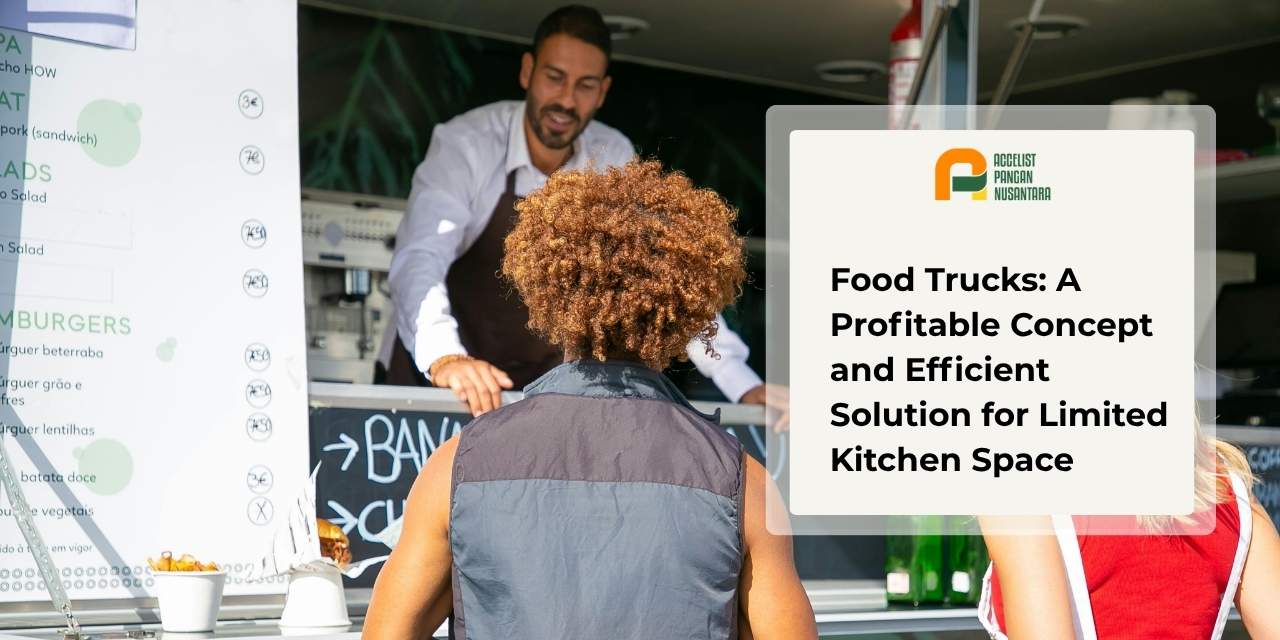
Today’s culinary business demands speed and ease of access. Consumers seek practical food in places where they usually carry out their activities. The food truck business model is here to answer this need by combining vehicle mobility and commercial kitchen functions.
This concept allows entrepreneurs to move their selling locations to strategic points, such as office areas, campuses, or music festivals, without the need to pay annual physical building rental costs. However, integrating the entire restaurant operations into a single vehicle cabin presents its own technical challenges, especially regarding workspace management and kitchen flow efficiency.
What is a Food Truck Business?
A food truck business is a fast-food or Quick Service Restaurant (QSR) service model that operates entirely using a modified truck or van. This vehicle is transformed into a highly mobile walking commercial kitchen. Every inch of space inside the vehicle is arranged in such a way to carry out three integrated functions: a temperature-controlled raw material storage area, a cooking processing area, and a serving counter area directly to customers.
This business model that “picks up” customers has proven to be very promising. According to Grand View Research, the global food truck market is projected to continue growing with a compound annual growth rate (CAGR) of 6.3 percent during the 2025–2030 period.
This trend is driven by the increasing interest of urban communities in dining experiences that are fast, practical, flexible, and different from conventional restaurants. Modern consumers also increasingly favor the on-the-go dining concept because it is considered more in line with a dynamic urban lifestyle.
Even so, running a small kitchen demands extra strict hygiene supervision. Food truck owners must comply with food safety rules to prevent the breeding of pathogens or harmful bacteria in food. The basic reference can refer to the Food Code operational standards from the FDA (Food and Drug Administration).
For operations in Indonesia, the treatment must be in line with the sanitation hygiene guidelines from BPOM as well as Halal certification rules. Fulfilling these standards is the most fundamental foundation to ensure that raw materials and cooking processes are completely safe when they reach the buyers’ hands.
Various Concepts and Types of Food Truck Businesses
The success of a mobile kitchen operation is highly influenced by the sharpness of the concept from the start. Choosing the type of dish is not just a matter of the menu list, but rather the main reference for designing the interior layout, cooking equipment specifications, and calculating storage capacity.
Here are some of the most popular operational models in the market along with their technical characteristics.
1. Dessert Trucks
This concept focuses on sweet desserts like artisan gelato, warm donuts, crispy textured waffles, or crepes. These menus have a strong visual appeal to attract long queues, especially when the truck is parked in a city park area or an entertainment festival.
The toughest technical challenge for a dessert truck is temperature management and ingredient storage space. For example, basic waffle and crepe batters require a large amount of eggs. Storing fresh eggs takes up a lot of valuable cooling capacity and they are prone to breaking due to shocks during the trip.
As a space efficiency solution, the use of ingredients like egg powder is highly recommended. This ingredient can be stored on room-temperature shelves, has a longer shelf life, and is very practical to mix into liquid batter without producing shell waste in a cramped work area.
2. Pizza Trucks
The main attraction of this concept is the live theatrical experience. Customers can see the process of fresh dough being stretched, topped, and baked until it comes out of the oven with a tempting distinctive aroma.
Operationally, a pizza truck must have a special oven capable of withstanding very high baking temperatures. The kitchen area walls need a capable layer of thermal insulation material.
The goal is simple: to retain extreme heat transfer from inside the oven so it does not spread throughout the cabin and make the staff’s workspace too hot. The workbench design must also be measured carefully so the chef has space to stretch the dough without obstructing the cashier staff’s movements.
3. Breakfast Trucks
Breakfast trucks specifically target busy areas such as office districts, factory areas, or campus environments. The menus offered are generally designed to be practical to hold and eat while walking. Dishes like egg sandwiches, cheese bagels, modern packaged chicken porridge, and a cup of hot coffee are the main stars.
The key to this business’s continuity is service speed. Consumers in the morning are rushing for their work entry times. The kitchen workflow from the ordering stage, ingredient assembly, to food handover must be cut as short as possible. Especially for sandwiches or other breakfast menus that use eggs as their main ingredient.
Cracking eggs one by one when orders pile up will be a huge waste of time. Truck kitchens usually get around this by preparing pre-beaten liquid eggs in squeeze bottle containers before opening hours, so the chef can directly pour them onto a flat pan (griddle) quickly.
4. Fusion Trucks
The fusion concept boldly merges two different culinary tradition elements to concoct an innovative new flavor profile. A frequently encountered successful example is the combination of Mexican crispy tacos filled with Korean barbecue-seasoned sliced beef. This kind of uniqueness is highly effective in triggering the curiosity of new customers.
However, flavor innovation demands a more complex level of inventory management. The kitchen must stock various types of fresh ingredients and seasonings from two different cultures inside the extremely limited truck storage space. The accuracy of raw material turnover becomes very crucial, because miscalculating stock will cause ingredients to pile up and result in losses due to wastage.
5. Coffee & Beverage Trucks
As an addition to the food concept, purely beverage trucks focus on brewing quality coffee beans or other fresh beverage concoctions. This concept has the highest level of location flexibility. Units can operate optimally on the roadside, car-free day areas, or even be specifically rented to serve guests in the courtyard of a wedding event.
The operational backbone of a coffee truck is the stability of the electricity and clean water supply. Commercial espresso machines constantly draw a large amount of electrical power to heat the water boiler and maintain extraction pressure.
Business owners must calculate the load capacity of the generator set (genset) and the volume of the water tank inside the vehicle with precision. The goal is so that the truck can serve hundreds of orders without experiencing a dead engine pause or running out of clean water in the middle of a customer queue.
Popular Menu Categories Dominating Food Trucks
Menu selection must be concise to process but still possess a premium appeal so the customer queue does not break. Here are some menu categories that most frequently achieve success in the food truck business.
- Gourmet Burgers
This menu focuses on ingredient quality like premium minced meat, artisan buns, and homemade sauces. The cooking process is fast on a flat pan, making it highly suitable for the rhythm of dense customer queues. - Barbecue (BBQ)
This smoked meat preparation is slow-cooked for hours before the truck departs to the selling location. When there is an order, the chef only needs to slice the meat and pour thick sauce to maintain service speed. - Specialty Drinks (Beverages)
Beverage variants such as palm sugar milk coffee, boba tea, or fresh fruit concoctions have a large profit margin. This menu is highly flexible to be offered independently or made into an additional package complementing the main food. - Pastry & Bakery
Menus like croissants or various sliced cakes demand texture consistency and stable dough expansion power. Truck kitchens often get around the limitations of cooling space by using egg powder so the cake quality remains prime without worrying about raw materials spoiling quickly exposed to the cabin’s hot temperatures. - Fried Snacks (Fried Street Food)
This dish is highly favored because its shape fits perfectly in the hand and its side dish fillings are easily varied with local flavors. Kitchen staff can arrange taco shells, insert warm sliced meat, and add fresh sauce in just a matter of seconds.
Strategies to Develop a Food Truck Business
Having a delicious menu alone is not enough to secure a position in the culinary business. Because the selling location keeps moving, sharp operational and marketing strategies are needed to build loyal customers.
Here are important steps that need to be applied:
- Using Quality Ingredients
The use of premium raw materials is the fastest way to distinguish the class of a food truck from ordinary street snacks. Good ingredient quality will be instantly recognized by customers’ tongues and build their trust from the first bite. - Determining Strategic Locations
Conduct research on consumer movements regularly to determine daily routes. Park your truck in relevant crowd centers, such as music festival arenas, green campus areas, or elite business districts during break hours. - Providing Unique and Attractive Menus
Do not hesitate to concoct new flavor combinations that are difficult for competitors to imitate so the brand has a strong hallmark. The use of ready-to-use liquid salted egg sauce as a coating for fried chicken dishes is an example of an exclusive flavor innovation that attracts buyers without inconveniencing the kitchen staff. - Utilizing Social Media for Promotion
Make visual platforms like Instagram or TikTok the main marketing driving engine to inform about schedules and current locations. Routine interactions on social media ensure loyal customers always know where they have to catch up with the truck’s movements today. - Maintaining Operational Consistency
Ensure daily raw material stocks and the readiness of supporting machines like gensets are always checked before starting to go around. Running out of fresh ingredients or a power outage in the middle of a long queue is a technical mistake that can ruin business reputation in an instant.
Building a food truck business indeed demands strict technical calculations of spatial layout and stock management, but its location flexibility provides a much wider space for market exploration than renting a permanent restaurant building.
Limited Kitchen Operational Challenges
Running a kitchen inside a food truck means working in a very cramped space, usually only ranging from two to three square meters. Staff must move quickly to process orders right next to a blazing hot grill. This condition makes the interior temperature surge easily and limits movement space drastically.
Minimalist refrigerator capacity becomes the most tangible logistical constraint for business owners. Storing perishable wet fresh ingredients such as shelled eggs, pure milk, or liquid sauces often triggers serious problems.
The cooling compressor temperature can fluctuate unstably due to shocks when the vehicle is moving locations. If the temperature is not kept strict, these organic materials will rot quickly and the goods inward-outward rule (First In First Out) becomes very difficult to apply.
Food safety risks also increase sharply in such a small workspace. Storing and cracking raw eggs close to the cooked food serving area enlarges the chance of cross-contamination.
The World Health Organization (WHO) notes this food handling problem as a primary trigger for foodborne disease outbreaks in the world. Truck owners need a raw material solution that is durable, safe, but does not take up highly valuable cooling allocations.
Space Efficiency Solutions with Egg Powder
Replacing fresh eggs with egg powder is a logical way to overcome the cramped storage space inside a food truck. Its usage can be measured using precise grammages and directly eliminates the risk of bacterial contamination from raw eggshells.
Here are product variants that can be adjusted to your truck’s menu needs:
- Egg White Powder
The right choice for pastry and dessert dishes. This protein-rich variant makes cake batter structures stand firm and expand maximally, without the chef having to bother separating egg yolks on a cramped workbench. - Salted Egg Powder
A solution to cut the preparation time of modern savory menus. The chef no longer needs to steam and mash raw salted eggs from scratch; simply use this powder to produce an authentic fried chicken coating sauce. - Mixed Egg Powder (Whole Egg Powder)
A substitute for whole fresh eggs for making soft bread dough or mayonnaise sauce. The white and yolk ratio has been accurately calibrated from the factory, and its shelf life is much longer to prevent losses due to rotten raw materials. - Egg Yolk Powder
A reliable ingredient to enrich the natural savory sensation in sauces and dressings. This product provides a bright yellow color without artificial coloring and is guaranteed clean from the threat of harmful bacteria like Salmonella.
Conclusion
The food truck business has a strong appeal thanks to its ability to move locations and pick up customers directly. This model is indeed profitable, but moving the entire restaurant operations into one vehicle brings real space and temperature challenges. Business owners must be smart in arranging the layout and workflow so orders can be completed quickly.
Mistakes in managing raw materials in this cramped space are not just a matter of stock loss, but also a threat to food safety. The cabin temperature that easily gets hot and the small cooling space demand the selection of the most practical raw materials. Ingredient efficiency is not just an operational trick, but a mandatory requirement so the food truck business can survive serving buyer queues.
With egg powder products from Accelist Pangan Nusantara, you can free up refrigerator capacity and eliminate the risk of wet ingredients rotting on the road. This dry ingredient keeps the quality of the dish’s taste consistent, while also making the chef’s movement pace in the kitchen much freer and faster.
FAQ
You must arrange a commercial business permit, a sanitation hygiene feasibility certificate, and a permit to occupy public space from the local regional government.
Capital requirements vary greatly from tens to hundreds of millions of rupiah depending on the vehicle size and the completeness of cooking equipment specifications.
Replace wet ingredients that are prone to spoiling with industry-standard dry ingredient alternatives that are safe to store at room temperature, such as egg powder.
Yes, you need vehicle asset insurance as well as liability insurance to protect the business from accident risks or third-party claims.
Calculate the total cost of raw materials, add daily operational costs, and then determine a profit margin that fits the purchasing power capacity of your target market.