
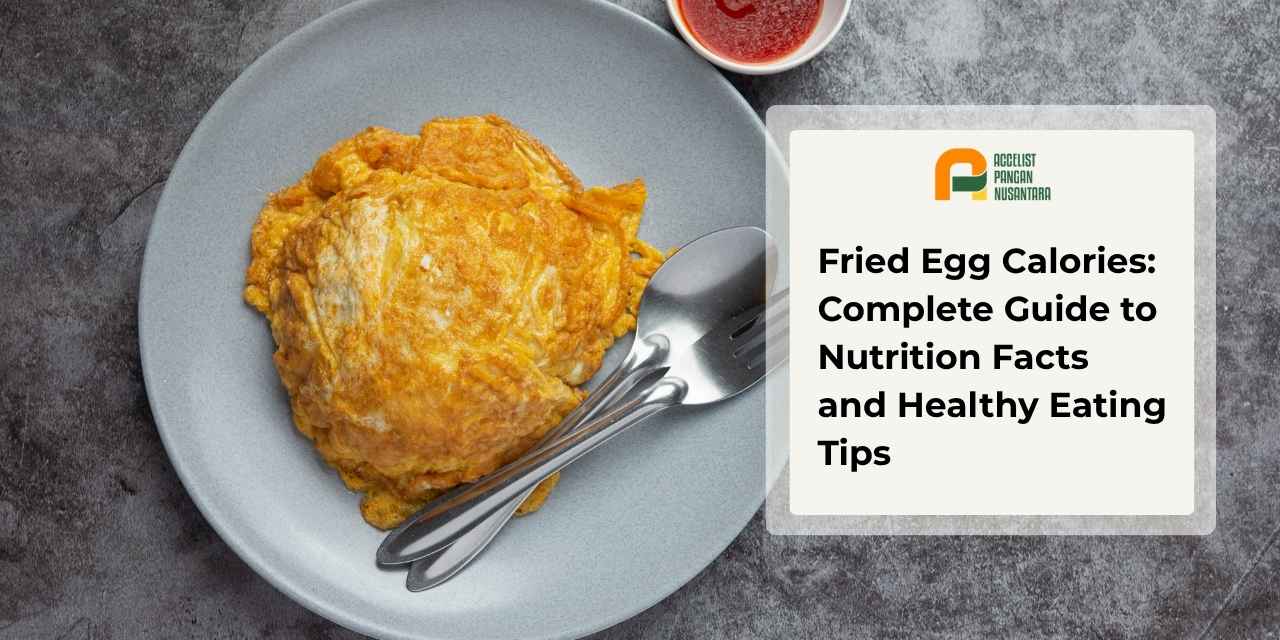
Picture a hectic morning when the clock reads 6:45 AM, breakfast is still not on the table, and you have to be out the door in 15 minutes. Of all the options in the kitchen, nothing comes together faster than a fried egg.
But behind that convenience, there is something most people overlook. The way you cook a fried egg actually determines how light or heavy it is on your body, because the oil used, the ingredients added, and even the choice of pan can meaningfully shift its nutritional profile.
What Are Calories, and Why Do They Matter?
A calorie is a unit of energy that measures how much fuel your body gets from food or drink. Every function your body performs, from breathing and walking to digesting food itself, requires calories to run properly.
The issue is not calories themselves, but balance. When more calories come in than the body burns through physical activity, the excess gets stored as fat, and this applies to any food, including fried eggs.
Understanding the approximate calorie content of everyday meals helps you make more intentional choices. Not in an obsessive, count-every-bite way, but enough to know which options are lighter and which ones are worth watching.
How Many Calories Are in a Fried Egg?
The calories in a fried egg do not come from the egg alone. The cooking fat, whether oil, butter, or margarine, adds its own share of calories that often goes unaccounted for, and the gap between methods can exceed 50 calories per serving.
Here is a calorie breakdown for one serving of fried egg (44 g, 1 large egg) by cooking method, sourced from Natural Farm Indonesia:
| Cooking Method | Serving Size | Calories |
| No oil (dry pan) | 44 g | 75–80 kcal |
| Oil spray | 44 g | 80 kcal |
| Butter or margarine | 44 g | 115 kcal |
| Generous amount of oil | 44 g | 128–157 kcal |
How Added Ingredients Affect Total Calories
A plain fried egg has a predictable calorie count. The moment fillings enter the picture, whether vegetables, cheese, or meat, the total can shift considerably from what you might expect.
Fried Egg with Vegetables
Vegetables such as tomatoes, bell peppers, spinach, or onions add only about 10 to 30 calories per serving. More importantly, they bring fiber, vitamins, and minerals into the same dish, raising its nutritional value without meaningfully raising the calorie count.
Think of a fried egg topped with diced tomato and onion: the flavor is brighter, the portion looks larger, and the calorie difference is barely noticeable. It is one of the most efficient ways to build a filling breakfast without loading up your daily calorie budget.
Fried Egg with Cheese
Around 20 grams of grated cheese added to the egg contributes roughly 60 to 80 extra calories per serving. While the calorie count climbs, cheese also brings additional protein and calcium that support bone health.
A one-egg fried egg with 20 grams of cheddar and a small amount of oil lands at around 155 to 165 calories total. That remains a reasonable figure for breakfast, as long as the rest of the day’s portions stay in check.
Fried Egg with Corned Beef or Meat
Adding canned corned beef or sliced chicken can raise total calories by 80 to 150, depending on the type and amount used. A 50-gram serving of canned corned beef already contains around 100 to 120 calories with a relatively high saturated fat content, making skinless chicken breast the lighter option for those watching their calorie intake.
Nutritional Content Beyond Calories
Calories are only one part of what a fried egg brings to the table. Within a single simple serving, there is a meaningful range of nutrients the body needs every day.
Here is the complete nutritional breakdown per one large fried egg, based on FatSecret data:
| Nutrient | Amount |
| Calories | 93 kcal |
| Protein | 6.48 g |
| Total Fat | 7.33 g |
| Saturated Fat | 2.053 g |
| Monounsaturated Fat | 3.044 g |
| Polyunsaturated Fat | 1.279 g |
| Carbohydrates | 0.42 g |
| Cholesterol | 217 mg |
| Sodium | 98 mg |
| Potassium | 70 mg |
The numbers make it clear that fried eggs are extremely low in carbohydrates and a solid source of protein. That combination makes them well-suited for a range of eating patterns, including low-carb diets.
Read also: Quail Eggs Protein Content and the Nutrition Facts You Probably Overlooked
What About Omega-3 Eggs?
Omega-3 eggs carry roughly the same calorie count as regular eggs, so swapping them in when making a fried egg will not change the calorie total in any meaningful way. What changes is the omega-3 content, which according to Hello Sehat is up to five times higher than in conventional eggs, alongside a cholesterol level approximately 50 percent lower.
That makes omega-3 eggs a better option for people managing high cholesterol or looking after heart health. They can be used as a direct substitute in any fried egg recipe without adjusting the cooking method at all.
Read also:
- Does an Egg Contain Fat? The Complete Facts You Need to Know
- Omega 3 Eggs vs. Regular Eggs: A Comprehensive Guide to Choosing the Best Nutritional Quality
Are Fried Eggs Good for Weight Loss?
This question comes up often among people working through a weight management program. The answer has far more to do with how the egg is cooked than with the dish itself.
The protein in a fried egg helps extend the feeling of fullness after eating, which tends to reduce the urge to snack or overeat later in the day. This mechanism is well-supported by research on the role of dietary protein in appetite regulation and weight management.
Tips for Cooking a Lower-Calorie Fried Egg
Small changes in how you cook can shave off 50 to 80 calories per serving without making the result taste noticeably different. Here are four practical adjustments worth building into your routine:
- Use a non-stick pan
A quality non-stick surface allows you to cook a fried egg without any oil at all, or with just a light spray. This is the single most effective way to reduce the calorie count. - Switch to olive oil instead of regular cooking oil
. The calorie difference is small, but olive oil contains monounsaturated fat that is better for blood lipid profiles over time. - Add fresh vegetables as a topping or mix-in
Vegetables increase the volume and fiber content of your meal without adding many calories, which makes a single serving more satisfying. - Go easy on the salt
Salt adds no calories, but a high sodium intake can trigger water retention that makes the body feel heavier than it actually is.
All of these tips work best when the egg itself is fresh and good quality from the start. A fresh egg produces better texture and flavor while ensuring its nutritional value has not degraded before it even reaches the pan.
Read also: 7 Ways to Choose Fresh and Good-Quality Eggs, Do Not Get It Wrong
Conclusion
Fried egg calories range from 75 to 157 per serving depending on how they are cooked, with 93 calories serving as the baseline for one large egg prepared by a standard method. Keeping the cooking fat minimal is the most direct lever for making this everyday dish fit comfortably within a healthy daily intake.
With 6.48 grams of protein, a favorable fat composition, and a range of essential micronutrients in a single serving, a fried egg is far more than a fallback meal. Whether it is part of a daily breakfast or a structured diet plan, the nutritional case for it holds up well.
The challenge often arises when egg-based cooking scales up, either for an active household or for food production at volume. Storing large quantities of fresh eggs carries a real risk of spoilage, inconsistent measuring, and nutritional degradation before the eggs are even used.
Accelist Pangan Nusantara offers Egg Powder Mix as a practical solution to exactly that problem. Made from a blend of selected egg yolks and whites processed under hygienic standards, it is easy to measure, has a longer shelf life, and retains the full nutritional profile of fresh eggs. Contact our team for product details, packaging specifications, and orders.
FAQ
According to FatSecret, one large fried egg contains 93 calories, which puts two eggs at around 186 calories as a baseline. The actual count will be higher depending on how much oil is used during cooking.
Yes, as long as it is cooked with little or no oil. Its protein content of 6.48 grams per egg helps maintain fullness for longer, which supports portion control throughout the day.
A boiled egg is lower in calories because no cooking fat is involved at all. A fried egg cooked without oil is still quite lean, coming in at 75 to 80 calories per serving.
The white of one egg contains around 17 calories with almost no fat. That makes it a considerably lighter option for those on a strict calorie deficit or managing high cholesterol.