
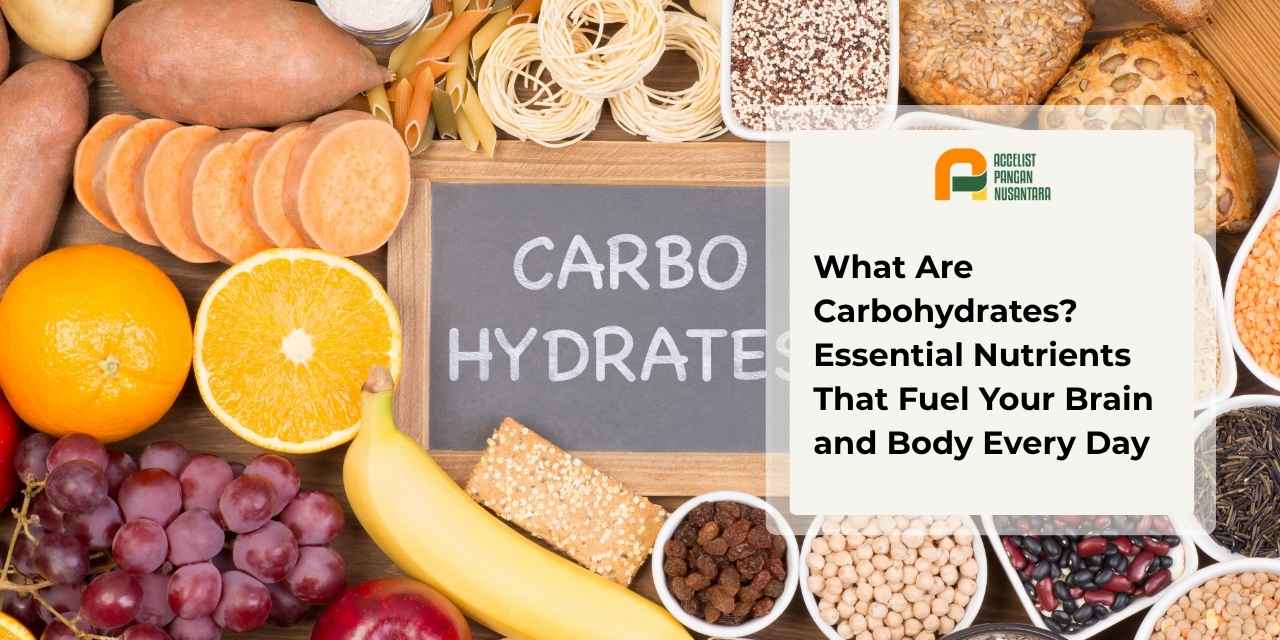
Have you ever felt weak after skipping rice all day, only to suddenly regain your energy after drinking warm tea? That is the real manifestation of carbohydrates in our daily lives. This nutrition is almost always present on your plate through menus like rice, noodles, bread, corn, and fruits.
Many people mistakenly think this nutritional element merely serves as a stomach filler. Some even treat it as an enemy out of fear of gaining weight. In reality, the human body actually views it as the most primary energy supply.
This crucial role as an energy source explains why high-carbohydrate foods often become our first escape when we feel tired or stressed. This nutrient does not just fill an empty stomach; it holds multi-layered roles.
What Are Carbohydrates?
Carbohydrates are one of the three macronutrients (nutrients the body needs in large amounts), alongside protein and fat. Chemically, this nutrient consists of carbon, hydrogen, and oxygen molecules. Its main task is incredibly clear: acting as the fastest fuel supplier for all body cells. Without adequate glucose intake, your vital organs will not be able to work at full capacity.
This energy need becomes most clearly visible in how the human brain works. According to a study published in the National Institutes of Health (NIH), the brain only accounts for about 2 percent of total human body weight. However, it consumes about 20 percent of the body’s energy. Glucose derived from carbohydrate digestion meets most of these energy needs.
The NCBI (National Center for Biotechnology Information) notes that glucose serves as the main energy source for the brain under normal conditions. Therefore, carbohydrate intake plays an important role in supporting central nervous system functions.
3 Main Forms of Carbohydrates in Food
Before dissecting their chemical structure, we need to recognize their physical forms first. The carbohydrates you consume daily generally come in three physical forms. Each of these forms plays a very different biological role when entering the digestive tract.
| Carbohydrate Form | Main Characteristics | Food Examples |
|---|---|---|
| Starches | Complex carbohydrates that take a long time for the digestive system to break down.As a result, the body receives a stable energy supply slowly and maintains a longer-lasting feeling of fullness. | Rice, potatoes, sweet potatoes, pasta, and corn. |
| Fiber | A toughly structured complex carbohydrate that the human body cannot digest at all.Its function remains highly vital as a natural broom to clean food residue in the intestines and maintain smooth digestion. | Green leafy vegetables, oats (whole wheat), apples, and legumes. |
| Sugars | Simple carbohydrates with short molecules that the bloodstream absorbs directly and quickly.This form provides an instant energy spike, but the effect fades fast, making the body easily feel hungry or weak again. | Granulated sugar, honey, maple syrup, and fructose (natural sugar inherent in fruits). |
Your body will ultimately process these three forms into glucose in the blood, except for fiber, which it will expel alongside waste. Your choice of composition among starches, fiber, and sugars on your dining plate highly determines how stable your physical stamina and mental focus last throughout the day.
Carbohydrate Classification Based on Chemical Structure
Nutritional science categorizes this nutrient based on the length and complexity of its sugar molecule chains. This chain length is directly proportional to the digestion time inside the body. The longer the molecule chain, the longer the stomach and intestines take to process it.
This chemical structure stands as the absolute determinant of how fast a food breaks down into glucose and raises blood sugar levels. As an interesting fact, this chemical chain breakdown process actually starts right from the first bite. Specifically, it begins when the amylase enzyme in your saliva starts breaking down carbohydrates in the mouth before the food even enters the stomach.
Simple Carbohydrates
This category features a chemical structure of very short molecule chains. Its arrangement consists of only one or two sugar molecules. Consequently, the digestive system can break these fragile bonds very quickly. Nutrient absorption happens almost instantly, allowing glucose to immediately flood the bloodstream. This provides a momentary energy spike that also subsides quickly.
This simple group divides into single sugars (monosaccharides) and double sugars (disaccharides), which you can find in the following sources:
Sweet fruits
These foods naturally carry fructose, a type of monosaccharide that is very easily absorbed. Your liver will immediately turn this natural fruit sugar into an instant energy reserve when you feel exhausted.
Animal milk
A glass of cow’s milk contains lactose, which derives from the disaccharide group. The human intestines break down this lactose with the help of a specific enzyme called lactase so its nutrients can enter the blood vessels.
White granulated sugar
This acts as the most common form of processed sucrose that you usually use to sweeten drinks. Because its molecular structure is so simple, excessive consumption will trigger a drastic blood sugar spike in just a matter of minutes.
Complex Carbohydrates
Contrary to the previous type, complex carbohydrates possess very long and complicated molecular chains. The digestive tract must work extra hard and deploy various special enzymes to break these dense chemical bonds. The result of this intestinal hard work is the slow and constant release of glucose into the bloodstream. This long process is exactly what makes the stomach feel full for hours and keeps physical stamina long-lasting.
This slow-digesting category includes oligosaccharides (medium-chain) and polysaccharides (long-chain) from the following sources:
- Specific vegetables
Food ingredients like onions and asparagus contain high amounts of oligosaccharides. The stomach does not digest this type of carbohydrate. Instead, it goes down to the large intestine to become the main food for protective digestive bacteria. - Tubers
Whole foods like sweet potatoes or potatoes are very rich in long-chain complex starches. The body digests this dense starch slowly, ensuring the brain and muscles receive a stable fuel supply throughout the day. - Whole grains
Brown rice and pure wheat fall into the polysaccharide group due to their tough fiber content. This intact fiber structure acts like a natural brush that gathers leftover intestinal waste and regulates your bowel movement schedule smoothly.
4 Vital Benefits of Carbohydrates for Body Health
Modern diet myths often unfairly portray carbohydrates as the main cause of weight gain. In reality, cutting this nutrient intake drastically actually disrupts the basic functions of your overall body organs.
Consuming carbohydrates in the right types and portions actually helps improve the metabolic system (the process of converting nutrients into energy). The human body is naturally designed to prioritize this nutrient so that physical and mental functions continue to run optimally every single day.
Here are its main functions for your health:
- Acts as the Main Energy Source
The Indonesian Ministry of Health explains that every one gram of carbohydrates contributes about four kilocalories of energy as the body’s main fuel. This energy supports all your body functions, ranging from heavy physical activities to ongoing automatic processes like breathing and internal organ work. - Improves Cognitive Performance
According to a journal published in the NCBI, glucose from carbohydrates acts as the primary fuel for the brain to support all nerve cell activities. This stable energy availability remains highly essential to help you maintain focus, optimize the learning process, and preserve memory at maximum capacity. - Prevents Muscle Shrinkage
When the body runs out of its sugar supply, the metabolic system is forced to break down muscle tissue to convert it into emergency backup energy. Adequate carbohydrate consumption will effectively prevent this muscle mass shrinkage. Thus, the protein in your body can freely perform its original task of repairing cells. - Maintains Ideal Body Weight
Fiber-rich complex carbohydrates make the stomach volume feel full longer due to their slow digestion process. This full stomach condition automatically suppresses the production of hunger hormones. Ultimately, you easily avoid the urge to over-snack between daily meal times.
7 High-Quality High-Carbohydrate Food Sources
Do you need pure food ingredient references to plan a healthy daily meal menu? Choosing the right staples greatly affects how stable your blood sugar response and body energy remain. Here is a lineup of whole foods providing high-quality complex carbohydrates for your kitchen.
1. Brown Rice
Brown rice serves as a daily alternative that is far superior to regular plain white rice. When passing through the mechanical harvest milling process, producers do not remove the bran layer (protective skin) and the germ on brown rice at all.
This intact condition keeps its digestive fiber, iron, and magnesium mineral contents fully preserved. Its slightly harder bite texture also requires you to chew longer, allowing the stomach to send fullness signals to the brain much faster.
2. Oatmeal (Oats)
Oats or whole grain oats represent one of the healthiest breakfast choices that store a myriad of cardiovascular protection benefits (heart and blood vessel health). The medical world widely recognizes these grains for their ability to bind and eliminate waste inside the intestines.
The secret to this efficacy lies in the soluble fiber content called beta-glucan, which is found abundantly in oats. According to the Harvard T.H. Chan School of Public Health, beta-glucan can bind with cholesterol-rich bile acids in the intestines and carry them out through the digestive system. This mechanism actively helps lower LDL (bad cholesterol) levels in the blood.
3. Sweet Potato
These sweet tubers are medically proven to have a fairly low glycemic index score (the speed at which food raises blood sugar). You do not need to worry about experiencing a drastic blood sugar spike after consuming them.
The bright orange color in the flesh of this tuber indicates a high accumulation of beta-carotene nutrients. The liver will later convert this antioxidant compound (cell protector from damage) into Vitamin A, which is highly vital for sharpening your visual functions.
4. Whole Wheat Bread
Many people misunderstand by judging that all types of bread products have a bad impact on the waistline. In fact, bread baked purely from 100 percent whole wheat grains is extremely nutrient-dense and healthy.
This high-fiber bread is much safer and more filling than regular white bread on the market. Manufacturers generally make white bread from pure refined flour that has gone through a bleaching process, losing all of its fine fibers.
5. Quinoa
World nutritionists often attach the superfood title to this South American grain. Quinoa does not merely stockpile hunger-suppressing complex starches in every single grain.
Magically, this plant-based ingredient has a highly complete protein profile to help the body’s cell repair process. These small seeds contain all nine essential amino acids (basic protein cell builders that the body cannot produce on its own) simultaneously in a single serving portion.
6. Banana
This practical, oval-shaped fruit is always a reliable energy reserve source for professional athletes before competing. Raw bananas with a greenish tinge are actually very high in resistant starch content (carbohydrates that bypass small intestine digestion). This powerfully nourishes good bacteria in the large intestine.
Meanwhile, perfectly ripe yellow bananas are very effective in providing stamina-boosting liquid glucose. This instant energy burst becomes extremely useful for quickly restoring your power after heavy exercise.
7. Whole Wheat Pasta
You can still enjoy this classic Mediterranean dish without feeling guilty about ruining your diet. The main requirement is to replace regular white pasta with whole wheat pasta ingredients rich in slow-absorbing carbohydrates.
Using whole wheat ingredients beautifully maintains the dish’s texture so it feels chewier, firmer, and denser when bitten in the mouth. The slowness of the chewing and digesting process of this pasta contributes greatly to a much longer-lasting duration of fullness in the stomach.
Carbohydrates and Eggs and Their Processing Challenges
Carbohydrates in the form of flour cannot stand alone. You need eggs to bind the dough into cakes, bread, or pasta. Flour tasks itself with building a solid structural framework through gluten (wheat protein), while eggs act as an emulsifier (natural adhesive) that binds liquids while making the dough rise.
However, using fresh raw eggs often becomes a heavy operational burden in commercial kitchens. Chefs find it difficult to maintain quality standards because the water content of whole egg whites fluctuates wildly. This unpredictable condition often makes production results too mushy or even dense (failing to rise).
Logistics problems are equally complicated. Manually cracking shells heavily wastes employee preparation time and eats up chilling machine capacity. As the most fatal risk, dirty shells are highly prone to carrying Salmonella bacteria (the cause of digestive poisoning) right onto the food preparation table.
Conclusion
Carbohydrates act as the body’s main fuel, supplying daily energy for brain functions and muscle protection. For your stamina to stay stable all day, prioritize consuming slow-digesting complex carbohydrates like oats (whole wheat) and sweet potatoes.
In the culinary industry, carbohydrates in the form of flour absolutely need eggs as a binder to make bread or cake dough. However, relying on fresh raw eggs often triggers operational problems for commercial kitchens. Fluctuating egg white water content makes recipe measurements difficult to keep consistent. Furthermore, the shell-cracking process highly wastes preparation time and is prone to bringing bacterial contamination.
To completely solve this technical problem, Egg Powder from Accelist Pangan Nusantara arrives as a much more practical raw material. This powder form has a definitive water content, ensuring the final dough result is always consistent without the risk of being dense (failing to rise).
This product is also guaranteed to be free of Salmonella bacteria (the pathogen causing digestive poisoning). Its use automatically cuts kitchen staff working time, saves storage space capacity, and brilliantly maintains daily production smoothness for bakery businesses up to HORECA (Hotel, Restaurant, and Cafe) networks.
FAQ
Weight gain is not caused by carbohydrates themselves, but rather because your total daily calorie intake has exceeded the limits of your body’s burning capacity.
Unlike nutritionally empty candy, the natural sugar in whole fruits is always tightly bound with fiber, vitamins, and minerals that actively function to slow down its absorption process in the intestinal wall.
Diabetics are still obligated to consume carbohydrates as an energy source, provided they focus strictly on complex types with a low glycemic index (slow to raise blood sugar) like oats or whole wheat.
The “Isi Piringku” (My Plate Contents) guidelines from the Indonesian Ministry of Health suggest the ideal carbohydrate portion is one-third of the plate, or equivalent to 30 to 35 percent for every meal schedule.
The digestive system knows absolutely no operational hour limits, so nighttime intake will not automatically become fat deposits as long as the amount does not exceed the total limit of your daily calorie needs.