
You slept seven hours last night, had breakfast before heading out, yet by the time you reached the office your body already felt heavy and your mind struggled to focus from the very first meeting. Before noon, your energy was completely gone, even though half the day’s work still remained.
This kind of condition is often dismissed as the result of poor sleep, stress, or a packed schedule. In reality, persistent fatigue and difficulty concentrating can also be a signal that iron levels in the body have dropped and oxygen is no longer being distributed efficiently throughout the body.
Iron is far more than a secondary nutrient. This essential mineral plays a direct role in blood production, brain function, immune defense, and daily energy output.
What Is Iron?
Iron is an essential mineral the body needs to carry out a wide range of critical functions, particularly in producing hemoglobin, the protein found in red blood cells that carries oxygen from the lungs to every tissue in the body. Since the body cannot manufacture iron on its own, this mineral must be obtained entirely through food or supplementation.
Think of iron as the body’s oxygen delivery system. When levels are sufficient, the body feels energized, mentally sharp, and capable of handling daily demands.
An iron shortage restricts the flow of oxygen to tissues and organs, leading to persistent fatigue, weakness, pale skin, and difficulty concentrating. According to the World Health Organization (WHO) (2025), approximately 30% of women aged 15 to 49, 37% of pregnant women, and 40% of children aged 6 to 59 months worldwide are affected by anemia, with iron deficiency being the most common underlying cause.
The WHO also identifies Southeast Asia, including Indonesia, as one of the regions with the highest anemia burden globally. These figures confirm that iron deficiency remains a pressing nutritional issue that deserves serious attention.
Types of Iron: Heme and Non-Heme
Not all dietary iron works the same way inside the body. The type and source of iron determine how efficiently the mineral is absorbed and used.
1. Heme Iron
Heme iron comes from animal-based foods such as red meat, fish, and egg yolk. According to the NIH Office of Dietary Supplements (2024), heme iron is absorbed at a rate of approximately 15 to 35 percent of the total amount consumed, making it the more bioavailable of the two types.
For example: someone who eats a piece of beef liver will benefit from its iron content far more quickly than someone consuming an equivalent amount of spinach, because the body processes animal-sourced iron with significantly less effort.
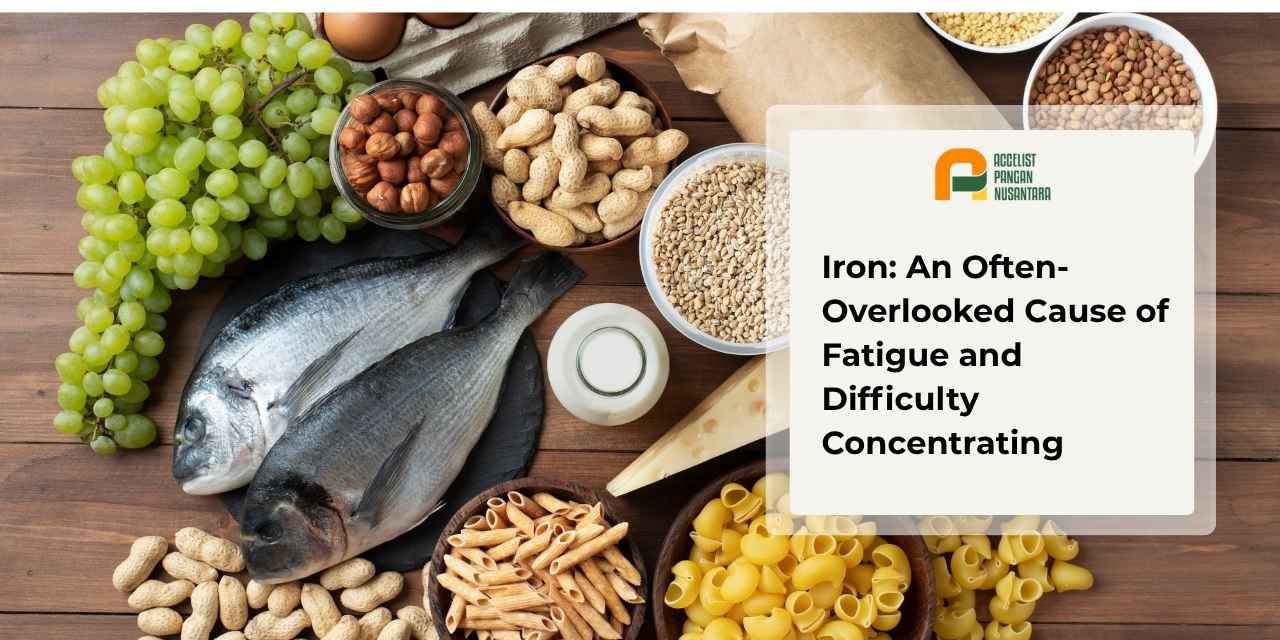
Here are some of the best heme iron food sources:
- According to data from Hellosehat, chicken liver contains 15.8 mg of iron per 100 grams, while beef liver contains around 4 mg per 100 grams, making them the highest sources of iron among animal products. Hati sapi dan hati ayam tidak hanya kaya akan zat besi, tetapi juga mudah diolah menjadi berbagai hidangan rumahan sehari-hari.
- Lean red meat such as beef or lamb contains approximately 2 to 3 mg of iron per 100 grams, with an absorption rate that is significantly better than plant-based sources. Choosing lean cuts helps maximize the nutritional benefit.
- Shellfish such as clams and oysters are rich in heme iron and also provide zinc and other essential minerals. Both can be prepared into a wide range of simple seafood dishes.
- Egg yolk provides approximately 0.4 to 0.9 mg of iron per yolk, alongside protein, healthy fats, and vitamin B12 that support overall daily nutrient intake. It is also one of the most versatile ingredients, easily incorporated into a wide variety of recipes and food products.
2. Non-Heme Iron
Non-heme iron is found in plant-based foods including spinach, tofu, legumes, and seeds. Based on data from the NIH Office of Dietary Supplements (2024), non-heme iron has a lower absorption rate of approximately 2 to 20 percent, and its bioavailability is significantly influenced by what other foods are consumed alongside it.
For example: eating spinach with a glass of orange juice can noticeably improve non-heme iron absorption, because vitamin C helps convert iron into a form the intestine can absorb more readily.
Here are some reliable plant-based iron sources to include in a daily diet:
- Spinach contains approximately 2.7 mg of iron per 100 grams, and its absorption is considerably more effective when consumed alongside a vitamin C source. It can be prepared as a stir-fry, added to soups, or eaten fresh in salads.
- Tofu and tempeh are plant-based protein alternatives that also contain iron, and both are widely available and affordable across many markets. They can be prepared in numerous ways to suit different cuisines.
- Red kidney beans and lentils are rich in non-heme iron as well as dietary fiber, making them a practical addition to soups, salads, or side dishes. Their fiber content also supports overall digestive health.
- Pumpkin seeds contain a notable amount of non-heme iron and can be eaten directly as a snack or sprinkled over salads and oatmeal. They require no preparation and are easy to keep on hand.
- Dried fruits such as raisins and dried apricots contain a more concentrated amount of iron compared to their fresh counterparts, making them a convenient snack for on-the-go nutrition.
Functions of Iron in the Body
Most people only associate iron with blood or anemia. In fact, this mineral is directly involved in nearly every important physiological process that takes place in the body.
Building Hemoglobin and Transporting Oxygen
Iron is the core component in the production of hemoglobin, the protein in red blood cells responsible for carrying oxygen from the lungs to every tissue in the body. Without adequate iron, hemoglobin production is impaired and oxygen delivery to vital organs becomes inefficient.
For example: people with iron-deficiency anemia often feel breathless just from climbing a few flights of stairs, because their muscles are not receiving enough oxygen to function at a normal level.
Supporting Immune Function
According to research by Gombart et al. published in the journal Nutrients (2020), iron is required for the production and development of T-lymphocytes, immune cells that play a key role in identifying and fighting pathogens in the body. A deficiency in this mineral slows the immune response and reduces the body’s ability to defend against infection effectively.
For example: individuals with low iron levels tend to fall ill more frequently and take longer to recover, even from mild infections.
Supporting Cognitive Function
Based on research by Jáuregui-Lobera published in the journal Neuropsychiatric Disease and Treatment (2014), iron deficiency can impair concentration, short-term memory, and overall cognitive performance. The brain requires a steady supply of oxygen to function clearly, and iron plays a central role in delivering that oxygen to brain tissue.
For example: children with iron deficiency are more likely to experience learning difficulties at school, while adults often describe the feeling as mental fog or an inability to stay focused throughout the day.
Supporting Energy Production
Iron helps the body convert food into usable energy and is a key component of myoglobin, the protein responsible for storing oxygen reserves in muscle tissue. Without sufficient iron, the body cannot generate energy efficiently, regardless of how well a person eats or sleeps.
For example: someone who feels drained after just 15 minutes of walking may need to check their iron levels, rather than simply adding more hours of sleep.
How Much Iron Does the Body Need Daily?
Based on the Nutritional Adequacy Figures (AKG), Indonesian Ministry of Health, daily iron requirements vary depending on age, sex, and specific conditions such as pregnancy or breastfeeding. The table below summarizes the recommended daily intake by group.
| Group | Daily Requirement |
| Infants 0 to 6 months | 0.3 mg |
| Children 1 to 3 years | 7 mg |
| Children 4 to 8 years | 10 mg |
| Male adolescents 9 to 13 years | 8 mg |
| Female adolescents 14 to 18 years | 15 mg |
| Adult males | 8 mg |
| Adult females 19 to 50 years | 18 mg |
| Pregnant women | 27 mg |
| Breastfeeding women | 9 to 10 mg |
| Elderly over 50 years | 8 mg |
Women of reproductive age and pregnant women have the highest requirements of any group. This is because menstruation and fetal development both draw heavily on the body’s stored iron.
Signs Your Body May Be Low on Iron
Iron deficiency symptoms develop gradually and are often mistaken for everyday tiredness or the effects of poor sleep. Recognizing these signs early can help prevent the condition from progressing into more serious anemia.
- Persistent fatigue and weakness even after adequate rest. The body lacks enough oxygen to produce energy at an optimal level.
- Pale or washed-out skin, particularly noticeable on the lips, gums, and inner eyelids.
- Shortness of breath during light activities such as walking or climbing stairs.
- A noticeably faster heartbeat without an obvious cause.
- Headaches and dizziness, especially when standing up suddenly from a seated or lying position.
- Difficulty concentrating and increased forgetfulness in daily tasks.
- Unusual hair loss without any change in hair care routine.
- Cold hands and feet, even in environments that are not particularly cold.
- Brittle nails or nails that curve inward, a condition known as koilonychia.
- Frequent illness as a result of a compromised immune system.
If three or more of these symptoms appear at the same time, a complete blood count test is recommended. Measuring hemoglobin and serum ferritin levels can help a doctor determine whether iron deficiency is the underlying cause.
Tips to Maximize Iron Absorption
Eating iron-rich foods alone is not always enough if dietary habits are working against the absorption process. A few practical adjustments can make a meaningful difference in how much iron the body actually absorbs and uses.
- Pair iron with vitamin C
Consuming foods or drinks high in vitamin C alongside non-heme iron sources helps boost absorption considerably. For instance, squeeze lemon juice over leafy greens or have fresh fruit with lunch. - Avoid tea and coffee during and after meals
Tannins in tea and chlorogenic acid in coffee can significantly inhibit iron absorption. Wait at least one hour after eating before having either beverage. - Space out high-calcium intake
Calcium from dairy or calcium supplements competes with iron during intestinal absorption. If both need to be consumed, take them at different times of day. - Prioritize heme iron sources when needs are elevated
During menstruation, pregnancy, or recovery, animal-based sources such as liver, lean red meat, or egg yolk are more efficient because their absorption rate is substantially higher than plant-based alternatives. - Cook with cast-iron cookware
Cooking acidic foods such as tomato-based sauces in cast-iron pans can naturally increase the iron content of the dish, though the effect is modest. - Incorporate egg yolk into daily meals or food products
Egg yolk contains heme iron that the body absorbs readily, and in the form of egg yolk powder, it can enrich the nutritional profile of food products such as noodles, bread, or baked goods without significantly altering the production process.
Conclusion
Iron is an essential mineral whose role extends well beyond the prevention of anemia. From oxygen transport and brain function to immune defense and energy production, it is directly involved in maintaining quality of life on a daily basis.
Meeting daily iron needs does not have to be complicated. By choosing the right combination of food sources and practicing eating habits that support optimal absorption, iron requirements can be met consistently without relying on supplementation alone.
Egg yolk is one of the most practical and nutrient-dense sources of dietary iron available. Accelist Pangan Nusantara supplies high-quality Egg Yolk Powder that is rich in heme iron, protein, healthy fats, and essential nutrients, suitable for a wide range of food applications including bakery products, noodles, and culinary preparations. Contact our team for product details, specifications, and ordering information.
FAQ
Yes, if the cause is simply insufficient dietary intake and it is corrected promptly. In cases of severe deficiency, supplementation under medical supervision is usually still necessary.
Yes. According to multiple studies on child development, adequate iron is critical for brain development, learning capacity, and immune function in growing children.
Yes. Based on clinical information on hemochromatosis, excess iron in the body can damage vital organs such as the liver and heart. Iron supplementation should always be based on a doctor’s recommendation and test results.
Yes. According to nutritional data from USDA FoodData Central, egg yolk contains heme iron that is more readily absorbed by the body compared to most plant-based iron sources.
According to various clinical guidelines, iron levels typically begin to improve within one to three months when dietary intake is corrected and supplementation is taken consistently as prescribed.