
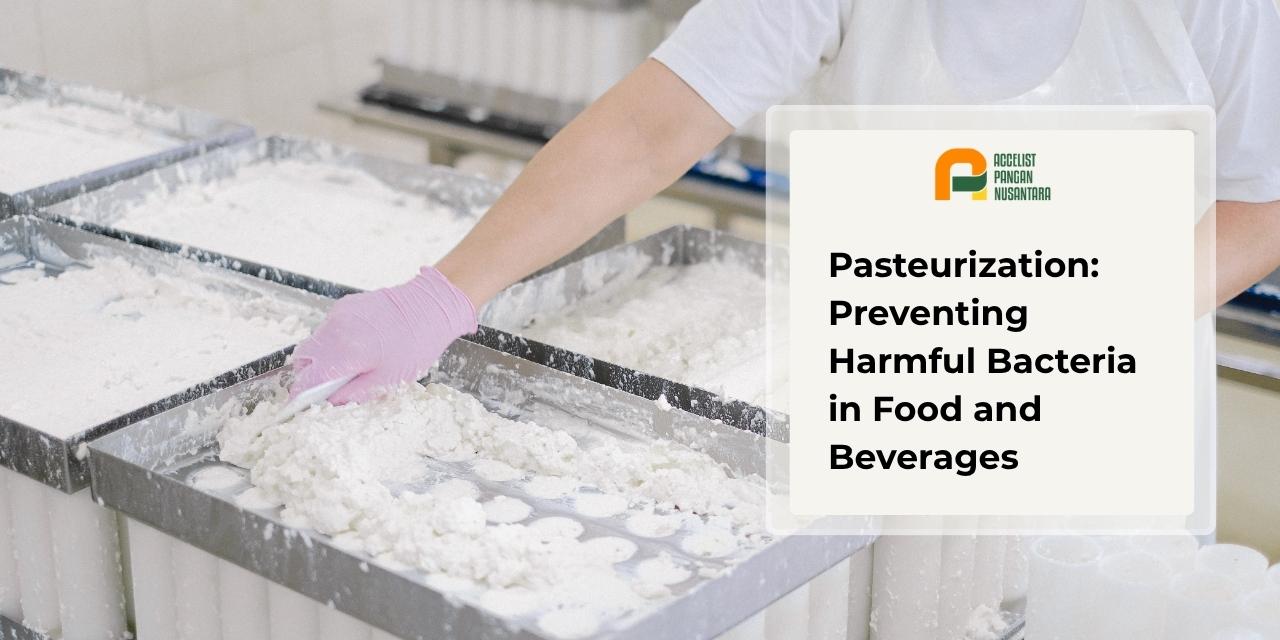
When buying milk or fresh juice on supermarket shelves, you might often notice a specific marker label (such as the word “pasteurized”) on the packaging. However, this label does not merely serve as a marketing tactic to attract buyers. Instead, this mark acts as a medical guarantee that the liquid inside has passed a strict temperature purification stage.
Furthermore, this purification process actively aims to eradicate bacteria, parasites, and disease-carrying viruses. Thanks to this safety measure, you can store nutritious food products much longer. Ultimately, they can safely enter your digestive system without triggering poisoning risks.
What is Pasteurization?
Pasteurization is a process where manufacturers heat liquid food ingredients to a specific temperature for a predetermined time, then quickly cool them down. The primary goal is to reduce or kill harmful microorganisms without significantly changing the product’s main characteristics.
Engineers designed this method to carefully control pathogenic microorganisms (disease-causing microbes), such as Salmonella and E. coli bacteria. At the same time, it optimally maintains the flavor quality, texture, and nutritional content of the product.
Interestingly, the name pasteurization comes directly from Louis Pasteur. This French scientist developed the method in the 19th century. Initially, brewers used the technique specifically to prevent unwanted spoilage and fermentation in wine and beer caused by microorganism activity during storage.
As food science and technology advanced, scientists applied pasteurization to various food and beverage products. This includes milk, juice, and egg-based products. Consequently, this application highly improves food safety and successfully extends shelf life.
3 Main Pasteurization Methods in the Food Industry
Temperature and heating duration serve as the main factors distinguishing pasteurization methods. Engineers design each technique to match the food ingredients’ characteristics. This ensures product safety increases without significantly reducing its quality.
Here are the three most commonly used methods:
- Low-Temperature Long-Time (LTLT)
First, the LTLT method heats liquids at around 63°C for 30 minutes. This technique stands as one of the earliest pasteurization methods. Food producers still use it in some small-scale food processing operations today. Example: Farm-scale fresh milk. - High-Temperature Short-Time (HTST)
Second, the HTST method heats liquids to a minimum of 72°C for at least 15 seconds. This method ranks among the most widely used in the food industry. It effectively suppresses harmful microorganisms while simultaneously maintaining product quality. Example: Pasteurized milk and cold packaged juice. - Ultra-High Temperature (UHT)
Finally, the UHT method heats products at around 135–150°C for a few seconds. This process allows aseptically packaged products (packaged in sterile conditions) to boast a much longer shelf life at room temperature before you open the packaging. Example: UHT milk and packaged plant-based milk.
Read also: Choline: The Often Ignored Brain Nutrient, Even Though the Body Desperately Needs It
Infection Threats from Consuming Unpasteurized Products
Consuming unpasteurized food products significantly increases the risk of exposure to disease-causing microorganisms. Bacteria, viruses, or parasites living in raw materials can easily enter the body through food or drinks that bypass adequate heating processes.
The United States Centers for Disease Control and Prevention (CDC) reported an alarming fact. Disease outbreaks caused by raw milk products occur much more frequently than those from pasteurized products. This vital finding shows that the pasteurization process plays a crucial role in improving overall food safety.
Common Health Risks
Several health risks can arise from consuming unpasteurized products, including:
- Food Poisoning Symptoms
First, digestive tract infections represent the most common impact. Symptoms can range from stomach cramps, diarrhea, and fever to nausea and vomiting. You might face this risk after consuming raw milk, unpasteurized juice, or contaminated food during processing. - Salmonella and E. coli Infections
Second, inspectors frequently find Salmonella bacteria (the cause of salmonellosis) and Escherichia coli or E. coli (bacteria that cause digestive disorders to severe infections) in raw eggs, raw milk, uncooked cake batter, and fresh food products that cooks fail to prepare properly. - Listeria Threats for Pregnant Women
Third, Listeria monocytogenes (the bacteria causing listeriosis) poses a severe risk to pregnant women. Scientists find this bacteria in milk, soft cheeses made from raw milk, and several ready-to-eat products stored for long periods. A Listeria infection can drastically increase pregnancy complication risks. These include fetal infections, premature birth, stillbirth, and miscarriage.
Read also: Gluten: The Secret Behind Soft Bread That People Often Consider Dangerous
Benefits of the Pasteurization Process on Food
Pasteurization stands as one of the most important innovations in modern food safety history. Before manufacturers implemented this technology widely, diseases transmitted through raw milk and beverages occurred much more frequently.
By reducing harmful microorganisms without drastically changing product characteristics, pasteurization helps provide safer food for the public. At the same time, it actively supports large-scale food distribution.
1. Improves Food Safety
The heating process helps reduce or kill harmful microorganisms that can cause disease. Therefore, pasteurized products like milk, fruit juice, and liquid eggs generally remain much safer for consumption than similar raw products.
This exact safety makes pasteurization the ultimate standard in the food industry across various countries. Consequently, distributors cannot safely sell many widely available products without passing them through this process first.
2. Reduces Foodborne Disease Risks
Pasteurization helps suppress infection risks from pathogenic bacteria like Salmonella, E. coli, and Listeria monocytogenes. This crucial step plays a major role in reducing foodborne and waterborne disease cases. This especially applies to dairy products, eggs, and beverages people consume without further heating.
Before wide implementation, diseases transmitted through raw milk posed a very serious public health problem. The application of this technology contributed massively to lowering foodborne disease transmission risks.
3. Extends Product Shelf Life
Besides controlling microorganisms, pasteurization also helps slow down the natural food spoilage process. As a result, products like milk, juice, and egg-based mixtures can last much longer during storage without sacrificing quality significantly.
This benefit does not only favor consumers but also highly supports large-scale food distribution. Distributors can ship products to farther regions with a much lower spoilage risk compared to unpasteurized materials.
Read also: 6 Signs of Rotten Boiled Eggs You Must Recognize Before Eating
What is Pasteurization Technology Used For?
The food industry applies pasteurization to various products to improve safety and extend shelf life. Although most people associate it with milk, manufacturers also use this technology on many other food and beverage ingredients.
Common Applications
- Eggs
The bakery, cake, sauce, mayonnaise, and processed food industries generally pasteurize liquid eggs before marketing them. This process helps reduce Salmonella contamination risks without removing the eggs’ ability to leaven, emulsify, or bind dough. - Milk and Dairy Products
Milk acts as the product most synonymous with pasteurization. Besides liquid milk, dairy factories also use this method on cream, yogurt, ice cream, and various other processed dairy products. Pasteurization allows companies to distribute products widely with much higher safety levels. - Fruit Juice
Producers pasteurize many packaged fruit juices to control microorganisms that can cause product spoilage or health issues. This process helps maintain juice quality during storage without altering the taste significantly. - Beer and Wine
The fermented beverage industry utilizes pasteurization to maintain product stability after the fermentation process finishes. This technique helps preserve quality and flavor consistency during distribution and storage. - Almonds
Not many people know that processors can also pasteurize almonds. In the United States, most commercial almonds must pass through this process. Regulators enforce this as a preventive measure against Salmonella contamination that occurred in nut products in the past. - Honey
Some producers also apply pasteurization to honey to slow down the crystallization process. Furthermore, it reduces natural yeast amounts that can trigger fermentation during storage. This actively helps keep the product’s appearance and quality completely consistent in the market.
Read also: Buffet: The Secret Behind the Favorite Dining System at Hotels and Big Events
Stability Challenges of Liquid Pasteurized Raw Materials in Industrial Kitchens
Liquid raw materials that factories have pasteurized indeed remain safer to use. However, they still have severe limitations in large-scale kitchen operations. Products like liquid eggs and liquid milk depend entirely on the cold chain to maintain their high quality.
Once you open the packaging, the shelf life becomes much shorter, and you must use it immediately. Additionally, liquid raw materials require massive refrigerated storage space and highly consistent temperature monitoring.
This specific condition can severely increase raw material waste risks if chiller failures occur or if kitchen staff fail to use them according to production plans.
As a brilliant alternative, many food industries now switch to egg powder. This powdered form boasts a much longer shelf life and does not depend on cold storage while the packaging remains closed. Ultimately, it proves much more practical for large-scale stock management.
Conclusion
Pasteurization helps improve food safety by reducing harmful microorganisms without drastically altering the product’s main characteristics. This technology has become an essential standard in processing milk, eggs, juice, and various other food products. It successfully suppresses disease risks while extending shelf life.
For the food industry, using pasteurized liquid raw materials still requires cold storage and strict stock management. For much more efficient operations, many business owners switch to egg powder products. These provide a longer shelf life, far more practical storage, and consistent high quality.
Accelist Pangan Nusantara provides various egg powder variants. These include Egg White Powder and Egg Yolk Powder. They actively help support more hygienic, efficient, and highly stable production needs without relying on cold storage.
FAQ
No. This method only slightly reduces the natural vitamin C percentage, while crucial substances like calcium and milk protein remain completely intact.
If you have not opened the packaging seal and store it stably below 4°C, the liquid can last an average of 7 to 10 days.
Heating bottled honey aims to stop the sugar crystallization process so the liquid stays clear, considering raw honey naturally possesses strong antibacterial properties.
Yes, you can do it yourself using a high-precision food thermometer to ensure the heating duration perfectly hits the target.
Total sterilization burns all forms of microorganisms using extreme temperatures, whereas pasteurization focuses purely on eliminating bad disease-spreading pathogens.