
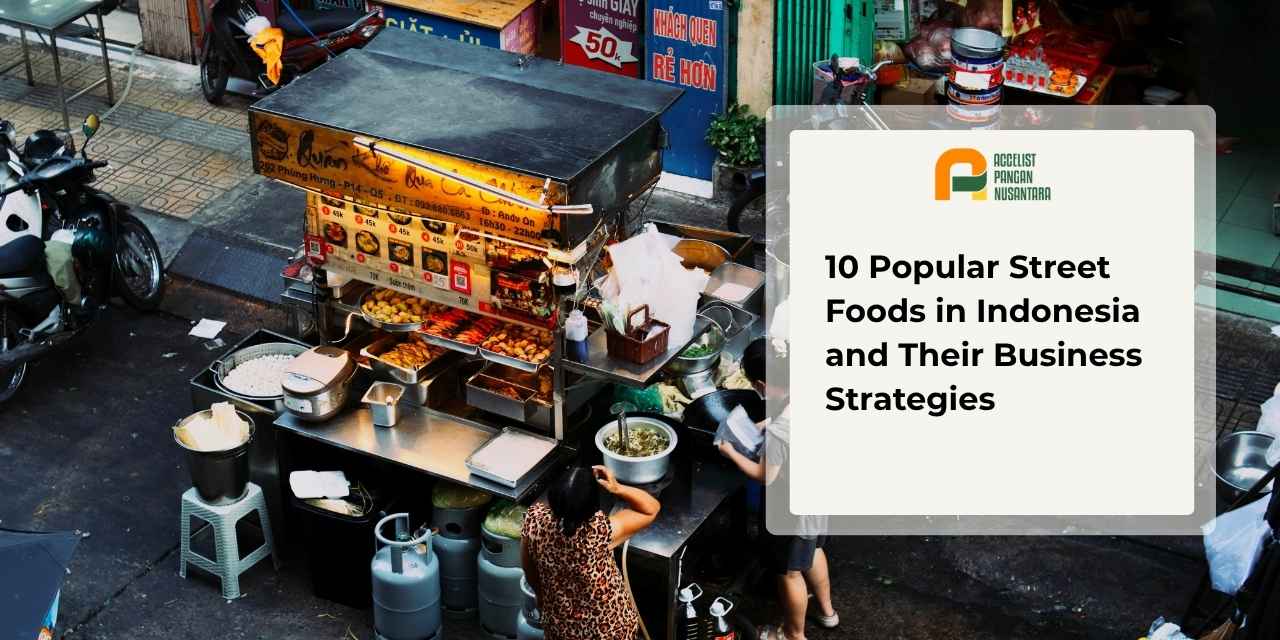
Street food is an inseparable part of Indonesian society’s daily life. From finding a quick breakfast before heading to work to hunting for late-night snacks, roadside treats are always the main reference. The appeal of this food touches all circles because its taste is very familiar to the tongue and its price is affordable for anyone’s wallet.
This consistently high public interest ultimately forms a massive economic cycle. Market demand continues to rise every year, making the street snack segment the birthplace of many new entrepreneurs. For consumers, this growth means increasingly diverse food choices every day.
What is Street Food?
Street food is ready-to-eat food or beverages sold directly in public spaces. You can find vendors scattered on street sidewalks, traditional markets, or city park areas. Their selling methods are highly adaptive to suit the target market location. Vendors usually operate using pushcarts, set up knock-down tents, or use modern vehicles like food trucks.
These roadside snacks are no longer just temporary stomach fillers, but have become daily dining solutions for many people. Data from the World Health Organization (WHO) notes that over 2.5 billion of the world’s population consume street food every day. This high daily consumption rate is triggered by the urban community’s need for access to instant and filling food amidst their busy schedules.
In Indonesia itself, the culture of snacking on the street has seamlessly blended with the lifestyle across professions. Office workers, college students, and field workers routinely rely on street food vendors to maximize their short break hours.
Its appeal is very clear and maintained year after year with preparation in minutes, friendly prices, and a strong richness of local spices.
Why is Street Food Popular in Indonesia?
Roadside snacks are not just alternative dining spots, but have taken root as a daily routine for the Indonesian people. This culture thrives because street vendors are consistently able to answer the two main consumer needs: fast-served food and friendly prices.
The presence of rows of carts or dining tents on almost every street corner ultimately creates a microeconomic circulation that directly enlivens the financial wheels of local residents. The appeal and business continuity of this street culinary scene are consistently supported by several main factors:
- Very Affordable Prices
Roadside snacks offer filling portions with a more economical price range. Both office workers and college students can make this food their daily consumption without disrupting their monthly spending plans. - High Accessibility and Practicality
Street vendors come to consumers by opening stalls near densely populated areas or transportation transit points. Consumers can directly buy food without the headache of thinking about parking locations or neat dress codes. - Authentic and Nostalgic Flavors
Most sellers maintain family heritage recipes to preserve the quality standards and signature flavors of their goods. The strength of local spices like peanut sauce concoctions or thick meat broths often triggers childhood memories for the buyers. - A Relaxed Social Atmosphere
Eating under a tent provides a very flexible social interaction space between buyers and fellow customers as well as sellers. Consumers can enjoy their food while chatting casually without being bound by formal etiquette rules like in enclosed restaurants.
10 Popular Street Foods in Indonesia
The street culinary market in Indonesia is very broad thanks to the Archipelago’s cultural diversity. Hundreds of menu varieties are available every day to meet the tastes and needs of the community. Out of so many choices, the following ten foods consistently dominate the street vendor market.
1. Kerak Telor
Kerak telor is a typical Betawi food made from a mixture of white glutinous rice, egg, roasted dried shrimp (ebi), and a sprinkle of fried shallots. This menu always looks stunning as the main attraction at every Jakarta cultural festival event.
Its cooking method is very unique because the vendor relies on heat exposure from a charcoal stove. The pan is flipped so the batter is directly licked by the flames. This burning technique produces a crispy crust texture with an appetizing smoky aroma.
2. Roti Bakar Telur Kornet (Rokupang – Toast with Egg and Corned Beef)
This toast menu often saves buyers’ hungry stomachs at night. The seller toasts thick white bread on a flat pan with an abundant spread of melted margarine. You can very easily find this snack around student boarding house areas or office districts.
The omelet and beef corned filling provides a fairly filling portion of protein. Many vendors also add choices of spicy sauce or melted cheese to enrich its flavor.
3. Kue Lekker
This thin and crispy snack is inspired by classic European-style crepes. Its basic batter is very practical as it only mixes measurements of wheat flour, eggs, and granulated sugar. Its affordable price makes lekker always queued up by buyers from school children to office workers.
Vendors continue to innovate by offering various fillings to align with current market trends. You can order classic flavors like chocolate banana or try modern styles with a sprinkle of milk cheese.
4. Martabak Telur
This savory food was born from a fusion of Middle Eastern and Indian cooking techniques. An elastic dough skin densely wraps a mixture of eggs, minced beef, and chopped scallions. Its large size makes martabak telur a mainstay menu for families.
The frying process requires abundant hot oil to create a crispy outer texture. Buyers usually eat this warm dish together with pieces of fresh cucumber pickles and vinegar sauce.
5. Serabi
This traditional pancake uses basic ingredients of rice flour batter and fresh coconut milk squeeze. Many legendary vendors maintain the use of clay pans over a fire stove to preserve its distinctive aroma.
The sweet version of serabi is usually served drenched in a thick kinca sauce made from liquid brown sugar. Meanwhile, the savory variant targets young people through the addition of complementary toppings like oncom, beef sausage, to grated cheese.
6. Gorengan (Fritters)
Gorengan holds full control as the most popular light street snack in the afternoon. You are free to choose tempe mendoan, stuffed tofu, vegetable fritters (bakwan sayur), to sweet fried bananas. This crispy food seems to be a mandatory companion when brewing hot tea or coffee.
The popularity of this snack lasts long thanks to its crispy, tongue-pampering texture. However, you still need to balance its consumption with vegetable intake.
7. Bakso (Meatballs)
These chewy meat balls with hot beef broth serve comfort to their enjoyers. A portion of bakso generally comes with yellow noodles, rice vermicelli, and pieces of fresh vegetables. Settled stalls or roaming carts are always full of buyer queues, especially when the weather is cold.
Sellers diligently develop variant meatball fillings to give consumers many flavor choices. Coarse tendon meatball menus, fillings of quail eggs, melted cheese, to spicy bird’s eye chilies prove effective in boosting vendors’ daily sales.
8. Gado-gado
This typical Indonesian vegetable salad is perfect for buyers looking for a substantial meal with maintained nutrition. Its filling combines boiled vegetables, tofu, tempeh, and pieces of boiled egg rich in plant-based protein. These healthy components are then directly drenched in a savory, thick peanut sauce.
Every vendor concocts peanut sauce with their respective regional hallmarks. The main key to this food’s deliciousness lies in the freshness of the vegetables and the measure of brown sugar in its sauce.
9. Seblak
This wet cracker stew with aromatic ginger (kencur) broth successfully dominates the spicy culinary trend among young people. The hot sensation and sharp spice aroma always trigger the desire to keep chewing.
Buyers have the freedom to assemble their own seblak portions according to their hunger level and taste. You can add a variety of complementary fillings like scrambled eggs, chicken claws, macaroni, sausage, to various processed seafood.
10. Siomay
This steamed king mackerel dish is adapted from the dim sum menu and has fully blended with local tastes. Its portion is served complete with pieces of potato, boiled cabbage, bitter gourd, and chicken egg. A portion this dense is clearly filling enough for you to make an alternative lunch menu replacement.
A mixture of peanut sauce, sweet soy sauce, and a squeeze of lime binds all the flavors of these cooking ingredients. You can easily find siomay sellers in various locations, ranging from roaming bicycle carts to shopping center areas.
Business Strategies for Street Food
Fierce competition on the streets demands you have a smart operational strategy so this culinary business lasts long. Apply the following concrete steps to maintain quality while simultaneously triggering the curiosity of new customers.
- Use Quality and Standardized Raw Materials
Flavor consistency is the main key so customers want to return to buy your merchandise. Ensure the daily raw material supply always has the same quality standards so the taste of the cooking does not change because of missed measurements. - Prioritize Cleanliness and Hygiene
Erase the dirty stigma of street food by routinely maintaining the cleanliness of the cooking area, including wearing gloves and tightly closing ingredient storage containers. This consistent hygiene practice automatically raises the selling value and builds full trust from buyers. - Create Unique Menu Innovations
Give a differentiating touch to classic dishes, for example through the addition of salted egg sauce variations, so your stall stands out more from surrounding competitors. A small difference in presentation form or taste often becomes the strongest reason for laypeople to try your food. - Utilize the Visual Power of Social Media
Record the cooking process up close via a smartphone camera to capture appetizing details like billowing smoke or the sound of hot oil. Short video uploads on social media prove highly effective in bringing in new buyers located far from your selling area.
Surviving selling on the sidewalk clearly requires more preparation. Vendors whose carts always have long queues every day are those who are sensitive to reading the tastes of local residents and dare to adapt.
From the buyer’s perspective, this tight competition among vendors is very beneficial because the standards of taste and cleanliness of the snacks also level up. The street will always be the most honest place of judgment; sellers who consistently nurture the quality of their cooking will certainly not run out of loyal customers.
Conclusion
The street food business offers great profit opportunities with relatively affordable initial capital. Demand always comes from various circles looking for delicious, fast, and cheap food. The success of this culinary business depends entirely on how well you maintain flavor consistency and cleanliness standards.
The biggest challenge for street food vendors is maintaining the quality of raw materials in open spaces. Fresh eggs, for example, are highly prone to breaking, spoil easily in hot weather, and take up a lot of storage space. These operational problems often make the customer service process hampered and inefficient.
As a solution, you can switch to using raw material products from Accelist Pangan Nusantara. Egg powder from Accelist Pangan Nusantara offers the same function as fresh eggs, but with a much longer shelf life.
The use of this powder makes the measuring process very practical, keeps the kitchen hygienic without broken shells, and ensures your dough texture is always stable. This raw material innovation is the key to supporting the daily operational efficiency of your culinary business.
With the support of Accelist Pangan Nusantara’s processed egg products, you can produce various customer favorite street food menus with consistent flavor quality, hygienic cooking processes, and much more efficient daily operational costs.
FAQ
The initial capital varies starting from two million to tens of millions of rupiah depending on the type of cart design and the completeness of its equipment.
Yes, you are advised to arrange a Business Identification Number (NIB) and a location permit from the local regional government so operations are safe.
Choose an area with high pedestrian traffic such as around campus areas, factories, densely populated housing, or public transportation stations.
The main challenges are unpredictable weather factors like heavy rain and the fluctuation of fresh raw material prices in traditional markets.
Store all food ingredients in clean airtight containers and use dry raw materials that are more practical if possible.