
When enjoying a meal at a restaurant, you might find that the staff serves the food in stages. After the appetizer, a specific menu item usually arrives that becomes the center of attention as well as the main energy source in a dining session. People know this dish as the main course.
In the culinary world, the main course is not merely the food with the largest portion. Chefs design each component to present a perfect balance of flavor, texture, and nutritional value. This ensures it provides a sense of fullness while becoming the primary focus of the dining experience.
What is a Main Course?
A main course acts as the primary dish in a full-course meal (a complete menu arrangement served in stages from appetizer to dessert). This dish generally becomes the center of the dining experience because it features a larger portion compared to side dishes. Furthermore, it often showcases the most prominent combination of ingredients, cooking techniques, and flavors in a single meal sequence.
In professional kitchen practices and the HORECA (Hotel, Restaurant, and Cafe) industry, the main course functions as the core dish. It actively combines sources of protein, carbohydrates, and vegetables into one complete meal. Therefore, restaurants usually make this menu the main focus they offer to customers.
Historically, the term used to refer to the main dish has experienced changes in meaning over time. According to an article by Food Republic, the term entrée in the French tradition originally referred to a dish served before the main part of the banquet.
However, as dining habits changed in the United States during the 20th century, the term evolved into a designation for the main course. This explains why many restaurants in North America still use the word entrée to refer to the main menu today, while in France, people more commonly use the term plat principal to denote the main dish.
Baca juga: 10 Makanan Khas Bandung Terpopuler: Daya Tarik Rasa dan Inspirasi Kuliner
The Fundamental Differences Between Main Course, Appetizer, and Dessert
Each stage of a meal serves a different function in a dining sequence. The appetizer works to stimulate the appetite, the main course becomes the largest source of energy intake, while the dessert functions to close the dining experience with a lighter or sweeter flavor.
Here is a comparison of their characteristics:
| Comparison Parameter | Appetizer | Main Course | Dessert |
|---|---|---|---|
| Main Function | Stimulates the appetite and prepares the palate for the dining experience. | Serves as the main source of energy intake and the primary focus of the meal. | Closes the dining session and provides a pleasant final taste. |
| Portions and Calories | Small portions with relatively low calories. | The largest portion with the most complete calorie and nutritional content. | Small to medium portions, generally dominated by sweet flavors. |
| Dominant Flavor Profile | Fresh, sour, lightly savory, or slightly spicy. | Savory and complex, combining proteins, carbohydrates, and sauces or complements. | Sweet, fresh, or soft-textured from dairy and fruit preparations. |
| Serving Time | Served first. | Served after the appetizer or soup. | Served last after guests finish the main dish. |
| Dish Examples | Salads, bruschetta, or light soups. | Steak with potatoes, roasted chicken with vegetables, or grilled fish with rice. | Ice cream, puddings, cakes, or fresh fruits. |
Chefs design this serving order to create a much more balanced dining experience. The appetizer helps build an appetite, the main dish provides the greatest intake of nutrients and energy, and the dessert offers a refreshing conclusion after enjoying the previous sequence of foods.
Baca juga: 10 Makanan Khas Jawa Tengah yang Paling Terkenal
Differences in the Characteristics of Asian and European Main Courses
Cultural and historical backgrounds powerfully shape the character of main dishes in various parts of the world. Because of this, the experience of enjoying a main course in a European-style restaurant will differ greatly from dining traditions in Asia.
The differences lie not only in the use of spices and flavors. They also encompass presentation methods, dish compositions, and the unique dining habits that developed within each culture.
Western Style (Europe and America)
Western culinary culture prioritizes a highly structured, individual serving system. You will not take the food yourself; instead, you receive a complete food composition that the chef has precisely arranged from the kitchen.
- Personal Serving
Western culture applies a personal serving system rooted in the tradition of service à la russe (Russian-style service). According to Encyclopedia Britannica, this historical system ensures each guest receives their own portioned dish sequentially. - Structured Dish Composition
Chefs arrange the main protein, vegetables, and carbohydrate sources directly on the same plate. They plate this food arrangement completely in the kitchen so guests can simply enjoy it immediately. - Focus on Plating
Layout and visual color balance act as highly important operational elements in modern restaurants. Chefs design every plate precisely to please the diners’ eyes before finally satisfying their palates.
Asian Style (Oriental and Nusantara)
Asian culinary culture places togetherness as the absolute core value of a banquet. You will see many plates of dishes served all at once on the table for everyone to enjoy collectively.
- Communal Concept (Sharing)
Hosts place various kinds of food in serving dishes in the middle of the table. This allows everyone to freely take portions according to their own personal tastes. Britannica specifically notes this Indonesian cultural habit, where hosts serve various small plates containing side dishes surrounding the rice so the group can enjoy them together. - Staple Food as the Center
White rice or noodles serve as the main foundation of the feast to balance the strong flavors of other dishes. Diners always consume these staple carbohydrates alongside various side dishes placed in separate containers. - Diversity of Side Dishes and Spices
You will instantly find many side dish options presented together in one dining session. All banquet participants can freely choose their desired menu items and share portions according to their individual tastes.
General Categories and Types of Main Courses
The selection of the main raw ingredients acts as one of the factors determining the character of a main course. In general, culinary experts group main dishes into the following categories.
- Meat-Based Protein
This category uses beef, poultry (such as chicken or duck), or lamb as the main component of the dish. Its processing focus usually lies on cooking techniques capable of producing optimal meat textures and flavors. - Seafood
This category utilizes marine products, such as fish, shrimp, crabs, or lobsters. Cooks generally use spices and sauces that are not too dominant so that the natural flavors of the ingredients still stand out brilliantly. - Carbohydrate-Centric
In this category, the carbohydrate source becomes the most dominant element in the dish. Examples include risotto (Italian creamy rice), paella (Spanish seasoned rice), fried rice, and various types of pasta. - Vegetarian and Vegan
This category focuses strictly on plant-based foods as the main source of nutrition. The dishes usually utilize ingredients like tofu, tempeh, legumes, or dense-textured mushrooms to present a sense of fullness and balanced nutritional value. For vegan menus, cooks completely exclude all animal-derived ingredients, including eggs and dairy products.
Baca juga: Prasmanan: Rahasia Sistem Makan Favorit di Hotel dan Acara Besar
Examples of Popular International Main Courses Made with Eggs
Many people consider chicken eggs to be limited to a light breakfast menu. In fact, this ingredient often climbs the ranks to become the main star of banquets in various countries. Eggs possess a unique ability to bind flavors and perfectly develop the texture of other ingredients. Let’s take a look at five prime examples of these main dishes.
1. Frittata (Italy)
A frittata is a thick omelet typical of the Italian countryside, and cooks prepare it slowly using a large copper pan. Chefs intentionally use this low-temperature baking technique so that the egg texture remains tender and retains its moisture.
For its filling, cooks combine the beaten egg mixture with sliced smoked meat, ricotta cheese (a traditional Italian cheese with a very soft texture), and fresh spinach leaves. This rich combination of protein and fiber turns an ordinary omelet into a nutrient-dense dish that is highly satiating.
2. Oyakodon (Japan)
Oyakodon comes in the form of a bowl of hot white rice whose surface is completely covered by tender slices of chicken. This practical, energy-packed dish often serves as a staple lunch menu for workers in Japan.
The key to its deliciousness lies in the technique of pouring raw eggs at the end of the cooking process. The heat from the dashi broth (a sweet and savory Japanese soup stock) cooks the egg slowly. As a result, this still half-cooked egg functions like a thick sauce that perfectly binds the chicken meat and rice together.
3. Omurice (Japan)
Omurice beautifully combines Western-style classic tomato sauce fried rice with high-level Asian egg-folding techniques. Chefs wrap the fried rice with incredible precision using a flexible omelet (thin fried egg).
The full appeal of this dish only becomes visible when you slice the center of the omelet using the tip of a knife. The creamy, intentionally half-cooked egg yolk filling instantly melts and flows to blanket the mound of rice beneath it.
4. Quiche Lorraine (France)
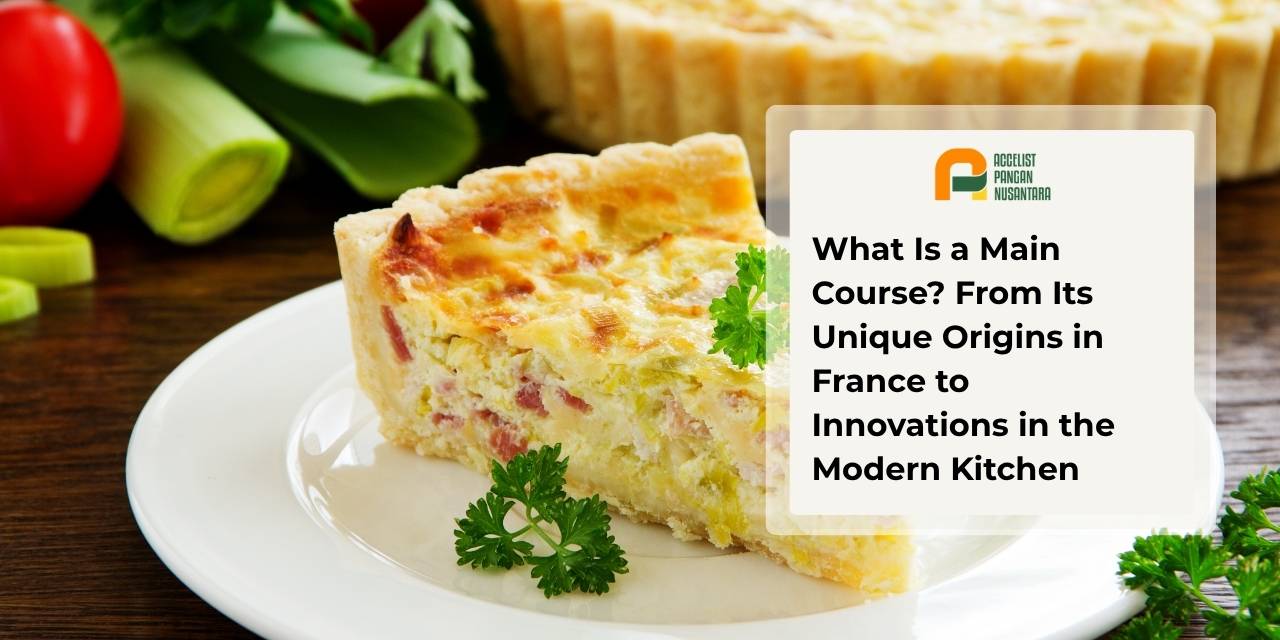
Quiche Lorraine acts as a classic savory pie (baked pastry) that showcases the richness of French culinary techniques. The outside of this dish features a crispy pastry crust, while the inside holds a highly fat-rich custard filling (a mixture of liquid cream and egg yolks).
This filling mixture unites fresh cream milk, dozens of whole chicken eggs, smoked bacon pieces, and grated Gruyere cheese. The baking process in the oven makes this pie stand firmly when cut, yet its creamy texture instantly melts away as you chew it.
5. Spanish Tortilla / Tortilla de Patatas (Spain)
The Spanish Tortilla is the proud national dish of the Spanish people, taking the form of an extra-thick omelet. Unlike regular omelets, the cooking process for this dish takes quite a long time because the chef must absolutely avoid using high heat.
Its core ingredients are very simple, relying solely on a mixture of beaten whole eggs and thinly sliced potatoes. Cooks slowly prepare these potatoes first in a pool of extra virgin olive oil until truly tender, before combining them with the eggs to create a dense, satiating texture.
Baca juga: 15 Makanan Internasional yang Mudah Dibuat di Rumah
Operational Challenges of Executing Egg-Based Main Courses in Commercial Kitchens
Serving egg-based menus like Quiche Lorraine or Frittata in commercial kitchens demands a massive supply of liquid eggs. If a restaurant still relies on fresh whole eggs, the kitchen staff will lose a tremendous amount of productive time just breaking hundreds of shells manually during rush hours.
Besides wasting time, the natural weight fluctuations of fresh eggs directly ruin the accuracy of recipe measurements. Missed liquid volumes put custard batter at risk of becoming too watery or, conversely, hard and dense. The most fatal threat comes from the sanitation aspect, as raw shell surfaces often carry poultry dirt containing Salmonella bacteria.
This specific series of operational risks and food poisoning threats has ultimately driven many industrial kitchens to switch to egg powder applications. This guarantees measurement certainty and raw material sterilization.
Conclusion
The main course acts as the primary attraction responsible for contributing the most calories in a banquet. We have seen how ingredients like eggs can elevate this serving into world-class dishes like Quiche Lorraine. However, when kitchens must produce hundreds of portions every day, manually breaking fresh eggs actually wastes productive time and threatens kitchen cleanliness through bacterial exposure from dirty shells.
Switching to the use of egg powder raw materials serves as the most logical step to solve these operational problems. This dry ingredient instantly frees your preparation space from the risk of piling biological waste. Chefs also receive guaranteed measurement accuracy, ensuring the dish’s texture will always be consistent and completely free from the risk of failing due to fresh egg size fluctuations.
This is exactly where Accelist Pangan Nusantara comes in to provide operational support for your business. Through a reliable supply of high-quality egg powder, your professional kitchen can accelerate the main course production process with the highest sanitation standards. You can efficiently serve orders during rush hours without ever sacrificing the quality or the authenticity of the dish’s flavor on the guests’ tables.
FAQ
Certainly not. The main component can utilize dense carbohydrate intakes like pasta, variations of seafood shellfish, or fermented plant-based side dishes like tempeh specifically tailored for strict vegan diets.
The ideal portion benchmark depends heavily on the restaurant’s luxury class level. Generally, the combined total weight of pure protein and carbohydrates ranges from 250 grams to 400 grams on each serving plate.
Nutritionists designed this arrangement so that the guests’ taste receptors do not easily get bored. The sour taste of an appetizer biologically triggers digestive enzymes, preparing the stomach to break down high-calorie solids afterward.
Absolutely, as long as the chef combines the bowl of vegetables with a massive source of protein. The most visible example is a Caesar Salad serving topped with whole cheese blocks and large chunks of grilled chicken breast.
A Western-concept main course serving already combines a perfect package of carbohydrates and vegetables within one round plate design. Meanwhile, Asian-concept side dishes stand alone on different plates and diners must eat them alongside a mountain of rice.