
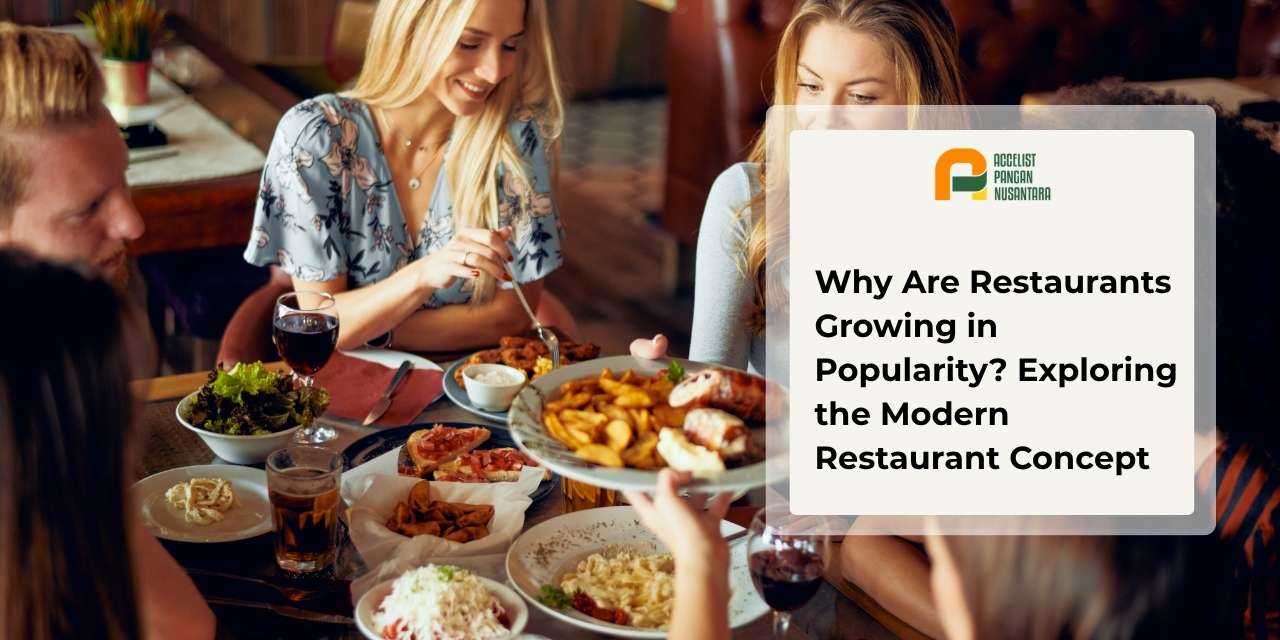
Many people routinely eat out, whether for a practical lunch, gathering with family, or celebrating specific moments. However, not all dining places qualify as professionally managed restaurants.
The trend of dining out continues to show consistent growth. Furthermore, Grand View Research estimates the global foodservice market value will increase from USD 3.1 trillion in 2023 to USD 3.79 trillion in 2030, with a Compound Annual Growth Rate (CAGR) of about 3%.
Urbanization and changing lifestyles that increasingly prioritize convenience drive this growth. In urban areas, many workers rely on restaurants and fast-food services to save time. Consequently, the demand for dining-out services continues to rise.
What is Meant by a Resto (Restaurant)?
A restaurant or resto is a commercial business that provides food and beverages for customer consumption. They offer dine-in services as well as additional options like delivery, takeaway, or special event catering.
Owners manage these operations professionally with structured standards for menus, service, cleanliness, and kitchen management.
Unlike small stalls or home-based food businesses, restaurants generally possess a more comprehensive operational system. Management executes everything based on established procedures, starting from raw material procurement and kitchen production to customer service and food quality control.
Moreover, a restaurant functions as more than just a place to eat. Owners design many restaurants to support social, business, and recreational needs, such as family gatherings, corporate banquets, and culinary tourism activities.
All these operational activities must strictly follow food safety principles. Ultimately, the goal is to maintain dish quality, ensure flavor consistency, and guarantee that the food served remains safe for customer consumption.
Characteristics of a Professional Restaurant
Not all dining establishments qualify as professional restaurants. The fundamental difference lies in the implementation of operational systems, service standards, and business management. Owners run these aspects consistently to maintain food quality and customer satisfaction.
- Service Standards (Hospitality)
Professional restaurants employ staff who have received customer service training. The team executes everything from welcoming guests and taking orders to serving food using structured procedures. Consequently, this creates a highly comfortable dining experience. - Recipe and Menu Standardization
Chefs prepare every dish based on established recipes and standard measurements. This system helps maintain consistency in flavor, portion size, and food quality during every service period. - Facilities and Atmosphere (Ambiance)
Restaurant managers pay close attention to the overall layout, lighting, cleanliness, and dining atmosphere. Their primary goal is to create a comfortable environment that completely aligns with the restaurant’s core concept. - Legal and Sanitation Compliance
Restaurants must meet business licensing requirements and implement applicable cleanliness standards. In addition, many establishments also apply the HACCP (Hazard Analysis and Critical Control Point) system. This proactive step helps reduce the risk of food contamination. - Cold Chain Inventory Management
Staff store perishable raw materials at appropriate temperatures to maintain their quality and safety. Managers conduct regular stock management to keep ingredients fresh. Furthermore, this practice minimizes the risk of waste due to product spoilage.
Read also: 10 Most Popular Bandung Specialty Foods: Flavor Appeal and Culinary Inspiration
Types of Restaurants in the Culinary Industry
The culinary industry presents various types of restaurants to meet diverse consumer needs and preferences. Each concept possesses its own unique characteristics, ranging from service models and menu variations to kitchen operational systems.
1. Fast Food Restaurants
Fast food restaurants focus heavily on service speed and product consistency. They generally offer simple and standardized menus, such as burgers, fried chicken, french fries, or ready-to-drink beverages.
To support operational efficiency, the kitchen usually utilizes equipment with high automation levels. For example, digital temperature-controlled fryers help keep food doneness consistent. At the same time, they significantly speed up production processes during busy rush hours.
2. Casual Dining Restaurants
A casual dining restaurant offers a relaxed and comfortable dining atmosphere with full table service from the staff. This concept remains highly popular among families, friend groups, and workers who want to enjoy quality dishes in a more relaxed setting.
This type of restaurant sits perfectly between fast food and premium restaurants in terms of both price and service. They typically offer a more diverse menu with neat presentations. Ultimately, they provide a comfortable dining experience without excessively high costs.
3. Fine Dining Restaurants
A fine dining restaurant operates as a premium establishment that offers an exclusive dining experience with extremely high service standards. These restaurants usually use top-quality ingredients and elegant presentations. Moreover, they design the atmosphere specifically to provide deep comfort and a luxurious impression.
Chefs prepare every dish with high attention to detail, from ingredient selection and cooking techniques to food plating. Besides food quality, the main value of fine dining also lies in personalized service and an exclusive atmosphere. Together, these elements create a memorable culinary experience for customers.
4. Buffet / All-You-Can-Eat Restaurants
A buffet restaurant or all-you-can-eat establishment offers various food choices presented openly on serving tables. Customers simply pay a single fixed price. Then, they can take their own food according to their needs and applicable rules.
The success of this concept depends heavily on efficient kitchen operational management. The restaurant must diligently maintain food availability, dish quality, and refill speed. This ensures they meet customer needs seamlessly without causing unnecessary food waste.
5. Ghost Kitchens / Cloud Kitchens
A ghost kitchen or cloud kitchen operates as a culinary business model without a dine-in area for customers. Operators focus all activities strictly on food production for delivery services through digital applications and other online ordering platforms.
This concept allows managers to reduce operational costs significantly because they do not need dining rooms or direct service facilities. In fact, multiple brands can share the same kitchen space to improve cost efficiency. Consequently, the business expands more easily and adapts quickly to online food ordering trends.
Common Food Menu Categories Served
Restaurants do not arrange their menu sequences randomly. Each dish category serves its own specific function to create a more comfortable dining experience. Furthermore, it helps make food presentation much more structured.
- Appetizers
Chefs serve appetizers in light portions to help stimulate the appetite before presenting the main course. Popular examples include salads, clear soups, bruschetta, or garlic bread. - Main Course
The main course acts as the core dish with the largest portion. Cooks usually combine protein sources, carbohydrates, and vegetables. Excellent examples include beef steaks, grilled chicken, pasta, or fish fillets. - Side Dishes
Side dishes function to complement the main menu in terms of flavor, texture, and nutritional value. Some commonly served examples are french fries, mashed potatoes, sautéed vegetables, or roasted corn. - Desserts
Staff serve desserts at the end of the dining session to provide a sweet and refreshing taste. Examples include puddings, cakes, ice cream, mousse, or various pastries. In many dessert recipes, bakers often use eggs as binding agents and texture builders to ensure the final result is soft and stable.
This specific menu structure helps restaurants maintain a regular service flow. At the same time, it provides a more complete dining experience for customers. Besides increasing guest comfort, dividing dishes into categories makes it much easier for the kitchen to manage production processes and serve food consistently.
Read also: Exploring Cooking Techniques: Five-Star Kitchen Secrets and Raw Material Management
The Fundamental Differences Between a Cafe and a Resto
Many people still consider cafes and restaurants as the exact same places because both facilitate guests to eat and drink. In reality, their commercial kitchen designs and main revenue sources differ significantly.
You can see a more detailed operational comparison of the two in the table below.
| Comparison Parameter | Cafe | Resto (Restaurant) |
|---|---|---|
| Main Focus | Specific beverages like coffee and tea, combined with complementary light snacks (pastries or finger foods). | Heavy meals and main courses served specifically to satisfy hunger. |
| Atmosphere and Guest Purpose | Fluid and relaxed atmosphere. Owners intentionally design the space for hanging out, working from a laptop, or casual chatting. | Structured formal atmosphere centered around collective dining agendas, family celebrations, or business negotiations. |
| Visit Time Cycle | Stable traffic without being tied strictly to meal times. Guests freely arrive at any time and often sit for hours. | Experiences sharp visitor spikes (rush hours) specifically during the lunch and dinner cycles. |
| Ordering & Service System | Visitors generally order and pay directly at the cashier (counter service) before receiving their orders. | Visitors sit down first, then a waiter comes to take the order and serves it directly to the table (table service). |
| Kitchen Facility Needs | The work area centers around coffee makers (espresso machines) and simple food heating equipment. | Requires heavy-duty commercial cooking equipment, such as industrial stoves, grills, and powerful ventilation systems. |
Understanding these operational differences will completely prevent you from making investment allocation mistakes when building a culinary business. Determining the wrong concept from the start can drain your budget without yielding results. For example, you might mistakenly buy an industrial stove worth tens of millions when your sales focus purely lies on coffee and toast.
Read also: Food Trucks: A Profitable Concept and Solution for Limited Kitchen Efficiency
Restaurant Kitchen Operational Challenges in Maintaining Raw Material Consistency
Maintaining cooking consistency in a restaurant kitchen does not merely depend on the chef’s skills. It also relies heavily on the stability of the raw materials used. One of the most frequently encountered challenges involves managing large quantities of fresh eggs for various production needs.
- Time-Consuming Preparation Processes
Cracking shells and manually separating egg yolks from whites takes extra time. This becomes especially problematic when producing large batches of sauces, bakery dough, or food coatings. - Hard-to-Maintain Result Consistency
Fresh egg quality can vary significantly, including size, moisture content, and functional characteristics. Consequently, these differences potentially affect the texture, volume, and final result of the dish. - Requires Larger Storage Space
Whole eggs require dedicated storage space and careful handling. Their shells easily crack during distribution and daily kitchen operations. - Food Safety Risks
Raw eggshells can act as a dangerous source of cross-contamination if staff do not handle them correctly. Bacteria like Salmonella can easily transfer to work areas, equipment, or other food ingredients during preparation.
To help overcome these challenges, many commercial kitchens have started utilizing egg powder as a much more practical alternative.
Besides having a longer shelf life, cooks can measure this product easily. It completely eliminates the shell-cracking process. Ultimately, it helps maintain recipe consistency and greatly boosts kitchen operational efficiency.
Read also: Commis Chef: The Backbone of the Restaurant and Its Raw Material Management Solution
Conclusion
Restaurant business success depends heavily on flavor consistency, operational efficiency, and food safety. However, using large quantities of fresh eggs often presents major challenges. These range from time-consuming preparation processes and large storage space requirements to severe cross-contamination risks.
To help overcome these obstacles, Accelist Pangan Nusantara presents various high-quality egg powder products:
- Whole Egg Powder Mix
Helps maintain recipe consistency in large-scale production without the need to manually crack and measure fresh eggs one by one. - Egg Yolk Powder
Simplifies the creation of sauces, dressings, and bakery products that require egg yolks, offering stable and hygienic quality. - Egg White Powder
Supports the formation of a consistent dough structure while completely eliminating the need for manual egg white and yolk separation processes. - Salted Egg Powder
Makes it much easier to develop salted egg-flavored menus without the complicated and time-consuming process of handling whole salted eggs.
By using Accelist Pangan Nusantara egg powder, commercial kitchens can easily increase production efficiency. They can perfectly maintain cooking result consistency and save valuable storage space. Most importantly, it helps minimize contamination risks during the food processing stages.
FAQ
The sharp difference lies in the elegance level of service formality, premium ingredient prices, and strict dress codes for guests.
They successfully adopt a centralized kitchen fabrication system with globally standardized menus and reliable supplies of frozen semi-finished ingredients.
This facility completely removes the face-to-face dining area to focus entirely on serving takeout and delivery orders through online logistics fleets.
Strict raw material control effectively closes the gap on financial asset spoilage, maintains flavor quality, and protects the public from bacterial outbreaks.
Chefs specifically craft these small portions with a high acidity profile to actively trigger gastric enzyme secretion before consumers eat heavy proteins.